Humming your way to sleep: How music calms brain and body

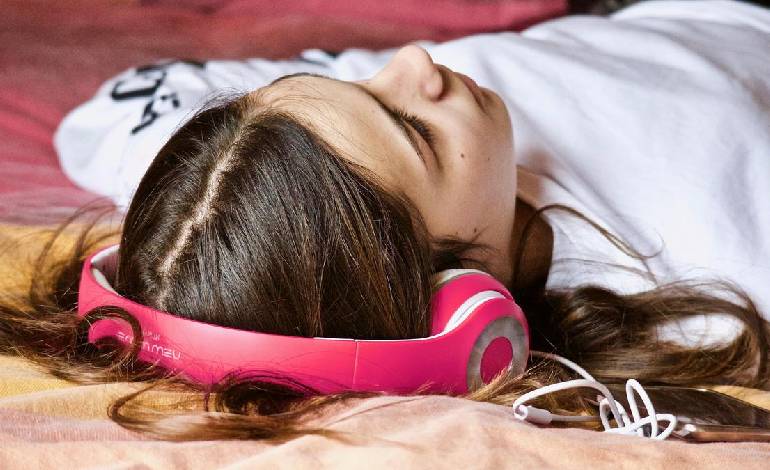
Lullabies have soothed people for over 4,000 years, and science now explains why they help us sleep. Researchers say music works by lowering stress, improving mood, and acting as a distraction from anxious thoughts. Slow music with 60-80 beats per minute reduces heart rate and respiration while shifting the body to ‘rest mode’.
Studies show toddlers fell asleep 35% faster with classical music at naptime. In hospitals, mothers’ lullabies lowered infants’ stress and improved feeding. Harvard research found lullabies across cultures share slow tempo, simple tones and repetitions. Babies relax to them even in unfamiliar languages, showing the effect is universal.
New studies also point to a brain-gut link. Music can boost gut bacteria like Lactobacillus that produce sleep hormone GABA. In contrast, irregular noise stressed mice and reduced good bacteria, harming immunity.
Experts suggest 30-45 minutes of soft, instrumental music at bedtime works best. Familiar songs are even more effective as they match breathing rhythm and create safety. For persistent sleep issues, consult a doctor, but music remains a simple, low-cost sleep aid.