How Charles Babbage paved the way for modern computing

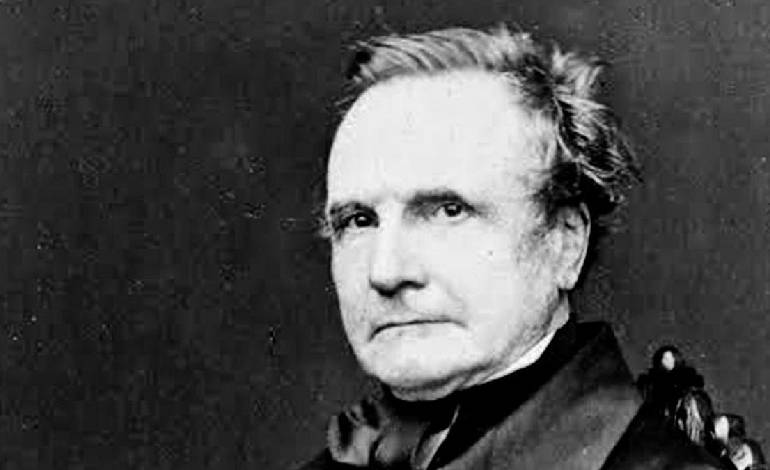
Today, a quick tap on a phone calculator gives answers in seconds. But reaching that ease took centuries of human effort, with a key breakthrough coming from English mathematician Charles Babbage in the early 19th century.
Before machines, every calculation was done by hand. Governments, navigators, astronomers and engineers relied on vast mathematical tables compiled by teams of human “computers” — clerks who worked slowly and often introduced errors into critical data used for navigation, engineering and science.
Babbage changed that trajectory by designing machines that could speed up calculations through the movement of simple mechanical parts. His work produced the first ancestors of the modern computer and laid the conceptual foundation for automated calculation, shifting computation from manual labor to mechanical precision.
The journey from those hand-cranked machines to today’s pocket calculators and apps reflects a long arc of innovation, but Babbage’s designs marked the point when humans first found a way to let machines do the math.