Birds, bees and ladybirds: How wildflower strips are supporting pre-harvest farm work

Long June evenings are bringing extra hours for farmers in the run-up to July’s harvest, with dry weather accelerating field work but also testing patience.
With wheat and oilseed rape crops maturing, seed growers are walking tramlines to “rouge” unwanted wild oats, brome and blackgrass. Strict limits govern weeds per hectare in seed crops, and independent inspectors from the Animal and Plant Health Agency check compliance, especially on higher-grade fields.
Wet days shift work indoors. Grain stores are being cleaned and “bait traps” laid to monitor pests like grain weevils and mites. If found, stores are brushed and vacuumed again.
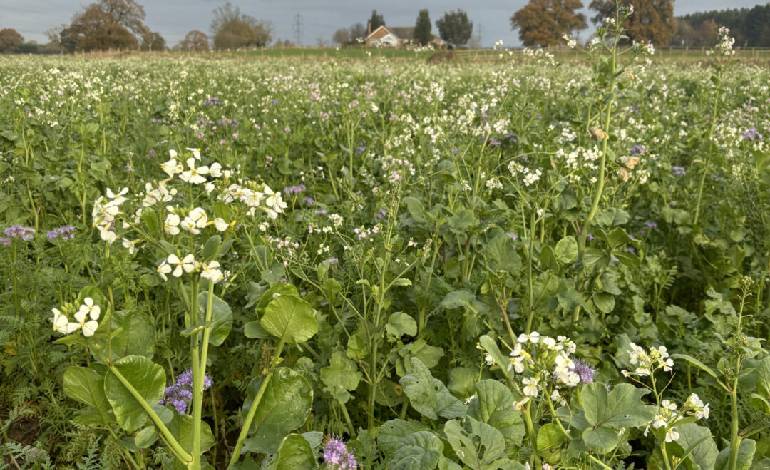
The recent dry spell has boosted wildflower margins of cornflowers, poppies, corn cockles, moon daisies and phacelias. Beyond their colour, the strips act as habitat for natural aphid predators — ladybirds, parasitic wasps and hoverflies — that move hundreds of metres into crops and cut reliance on chemical sprays.
Haymaking is next, with demand strong after last year’s drought-hit yields. But farmers are holding off early cutting to avoid plastic wrapping and to protect ground-nesting birds, which are disturbed less when fields are cut from the inside out. Unpredictable weather remains the challenge, as short heatwaves often end in sudden downpours.Birdlife is thriving too. Dawn choruses begin before 5am and RSPB surveys on local farms have recorded 36 species in one visit, including six warblers, according to data from the Merlin bird app.