SVU Tirupati pilot converts temple waste to fuel, fertilisers with ‘zero landfill’ claim

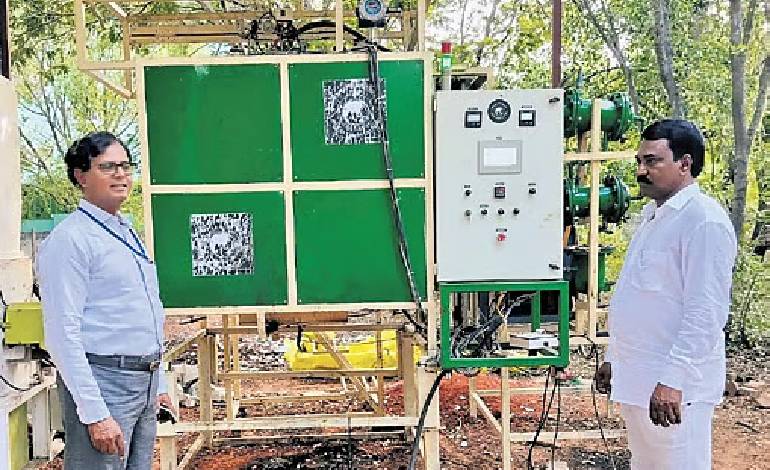
Tirupati: A pilot project at Sri Venkateswara University has shown that temple flowers, plastic bottles, kitchen waste and even hazardous materials can be turned into industrial products without leaving landfill residue.
SVU engineering faculty and Chennai-based Entity One Company ran a 12-day trial from May 10 to 22 using a plasma pyrolysis reactor. The 50 kg prototype, called the Ramcharan Pyrolysis Reactor, worked at 300°C to 500°C inside a sealed, oxygen-free chamber. That design skips combustion, so it avoids dioxins, soot and heavy metal emissions common in incineration.
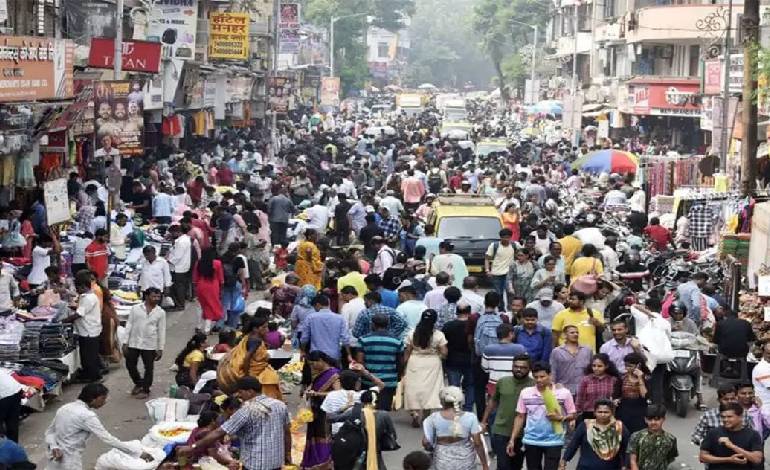
The team tested 10 waste types that mirror Tirupati’s daily waste. As a pilgrimage city with over 1 lakh visitors each day, Tirupati produces large volumes of floral offerings, coconut shells, poultry waste, plastics and thermocol. Each feedstock gave two useful outputs. Floral waste became esters and clean fertiliser. Fish and poultry waste turned into biofuel and fertiliser. Mixed plastics and tyres yielded liquid hydrocarbon fuel plus battery-grade carbon. Coconut shells were converted into fuel and activated carbon.
Researchers highlighted one key advantage: minimal segregation. Wet and dry waste could be processed together in a single reactor. Every trial ended with virtually no landfill waste. “Municipalities usually need separate systems for different waste categories. This simplifies the process while recovering fertilisers, carbon materials and plastic derivatives,” said Prof. Varadarajan, SVU College of Engineering.
The trial is significant as Indian cities run out of landfill space. Tirupati’s mix of organic, plastic and temple waste has been a growing challenge for civic bodies.
SVU says the project aligns with its goal of a “waste and residue-free society”. With Entity One, it’s advancing the concept of ‘Clean up home and create value doing it’. Researchers hope households and municipalities will view waste segregation and resource recovery as an environmental opportunity rather than just a disposal problem.