Vaccines for bees and shrimp: How invertebrate immunity is changing farming

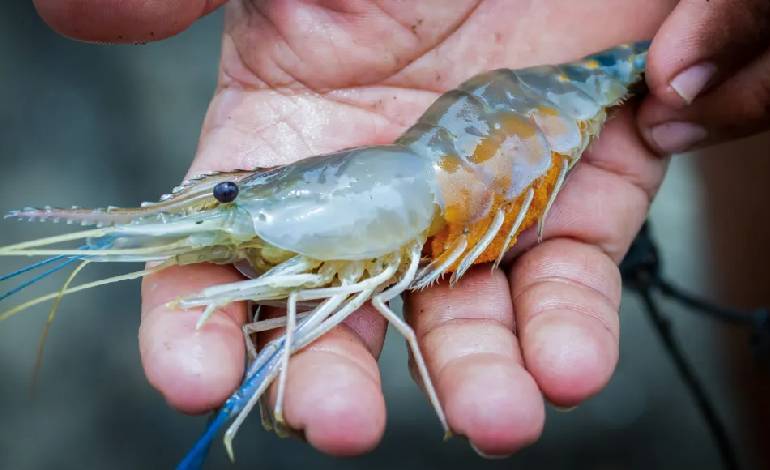
Washington DC: People get vaccinated. Cats, dogs, cows, fish and even koalas get vaccinated. Now invertebrates are joining the list.
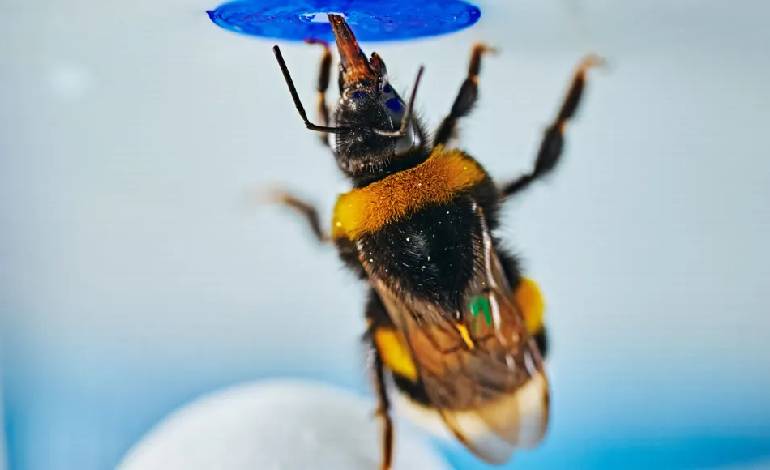
The first vaccine for honeybees got conditional approval from the U.S. Department of Agriculture three years ago. It’s now rolling out on farms across the U.S. and Canada. Last month at the World Vaccine Congress in Washington, D.C., the company behind it announced early results from a potential vaccine for shrimp.
These developments could shift how agriculture handles disease. The beekeeping industry is worth over $10 billion, with disease and pests costing hundreds of millions each year. Shrimp aquaculture is worth tens of billions, and disease losses may run several billion dollars. Boosting invertebrate immunity could cut those losses and reduce antibiotic use, which drives antibiotic resistance.
Unlike vertebrates, invertebrates don’t have an adaptive immune system that makes pathogen-specific antibodies. They rely on innate immunity, once thought too general to target with vaccines. “For a long time, it was considered that it was impossible, like vaccination couldn’t happen,” said Erin Strait, veterinarian and chief scientific officer of Dalan Animal Health. “That, in recent years, has been proven to not be true.”
Recent research shows innate immunity can hold “memory” through epigenetic changes to DNA. Dalan believes its vaccines work this way. The queen bee eats a vaccine made from inactivated Paenibacillus larvae bacteria. Her offspring then inherit resistance to American foulbrood and to a virus spread by varroa mites.
For shrimp, Dalan feeds inactivated bacteria to adult brood stock. Their offspring are born vaccinated. In lab trials, vaccinated shrimp exposed to Vibrio parahaemolyticus saw survival rise from 27% to 48%. Exposed to white spot syndrome virus, survival jumped from 0% to 58%.
Unlike traditional vaccines, these seem to protect against multiple pathogens, not just the one used in the vaccine. Dalan is now moving to field trials in Southeast Asia, starting in Indonesia, to test real-world results.