Indian doctors turn to social media to fight health misinformation

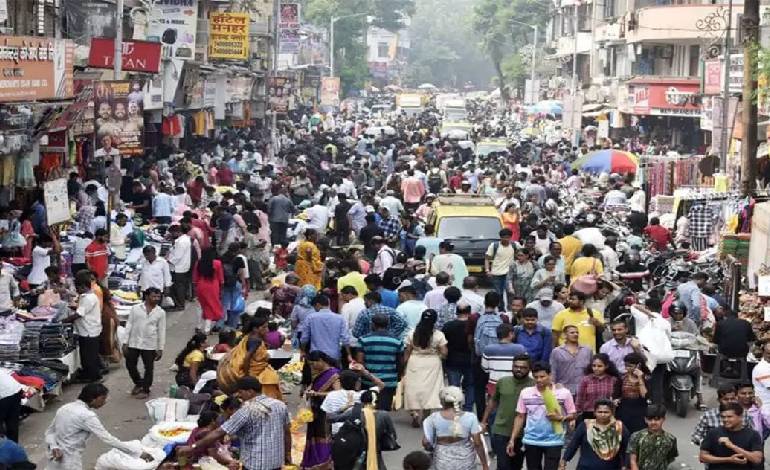
New Delhi: For millions of Indians today, the first health consultation happens on a phone. A teenager Googles irregular periods at midnight. A parent watches Instagram reels about fever before deciding to see a doctor. A young man searches YouTube for protein sources. The internet has made health information more accessible, but it has also made misinformation spread faster. From “detox” cures to viral fertility claims, false advice is now a major public health challenge.
Because of this, many Indian doctors are becoming content creators. They see patients in the clinic and make reels, posts and videos in the evening.
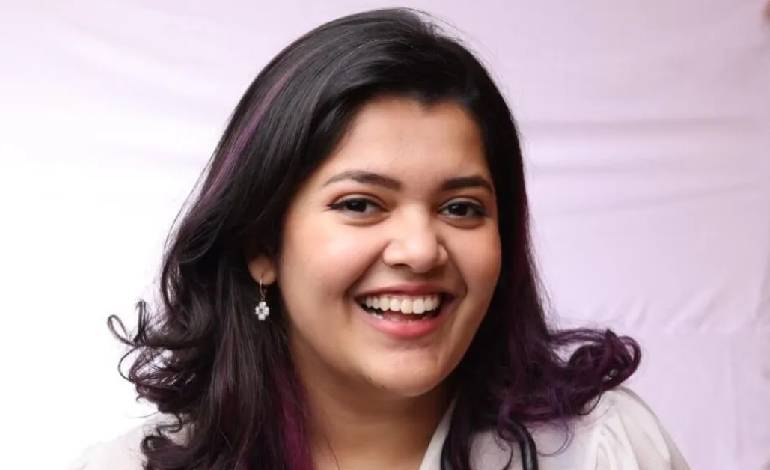
Dr Tanaya Narendra, known online as Dr Cuterus, is one of them. With nearly 2 million Instagram followers, she runs one of the largest pages on women’s and sexual health. She says she started not to become an influencer, but out of frustration. “I was tired of seeing all the misinformation and active disinformation around women’s health,” she said. She began posting about periods, contraception and reproductive health in simple language.
On social media, doctors see the questions people are too embarrassed to ask in person. Dr Tanaya says many women worry about appearance, breast size and fertility. Men also share anxieties that rarely come up in clinics.With over 1 billion internet users in India, doctors say platforms like Instagram and WhatsApp have become public health tools. A recent study found 66% of Indians have come across health scams online.
Dr Tanaya points to her HPV vaccine campaign as the biggest impact. She used her platforms to explain how the vaccine prevents cervical cancer. India recently expanded HPV vaccination efforts, and she says online awareness played a role. She urges vaccination between ages 9 and 45, and Pap smears after 30.
Balancing clinic work and content is not easy. Dr Tanaya now works three days with patients and three days on content and advocacy. “A burnt-out doctor cannot heal, and neither can they create art,” she said. She also maintains strict privacy and never posts patient photos.
She believes content creation has made her a better doctor. “I now understand what people actually care about and how to communicate with empathy.”
Doctors going online are helping combat misinformation, simplify medical topics, and create safe spaces for sensitive conversations. They are also improving preventive care and reaching people who may not access specialists easily.
“In 2026, healthcare conversations don’t begin at hospital gates. They begin in WhatsApp groups and Instagram feeds,” Dr Tanaya said. “If misinformation can travel through those spaces, perhaps trusted doctors should too.”