Homegrown catnip found as effective as DEET for repelling mosquitoes in Uganda

Florence, Italy: Homegrown catnip plants have proven to be as effective as DEET for repelling mosquitoes in rural Uganda, offering a low-cost alternative that could help reduce malaria risk.
Researchers from Cardiff University in Wales and Uganda presented the findings at an international science conference in Florence. They say the solution could ease reliance on malaria medicines, as the parasite is beginning to develop drug resistance.
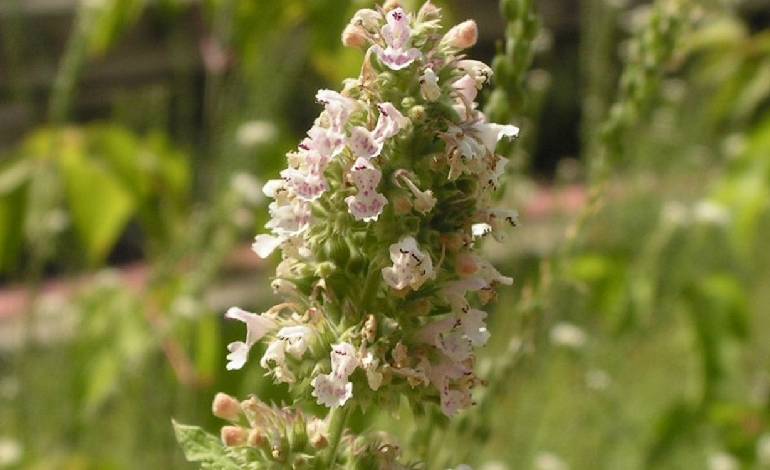
The key compound is nepetalactone, a chemical in catnip (Nepeta cataria) oil. Known for causing euphoric reactions in cats, it also interferes with mosquitoes’ sense of smell.
In lab tests, a 6% nepetalactone skin lotion worked as well as DEET in preventing mosquitoes from landing on human skin. A 2% lotion was only slightly less effective.“DEET is out of the price bracket for most rural Ugandan subsistence farmers,” said Dr. Simon Scofield, senior lecturer at Cardiff University. “We wanted a repellent that is highly effective but also lets local people grow and produce it so costs stay minimal.”Catnip is easy to grow and distill, smells better than DEET, and has been used traditionally as a mosquito repellent for centuries.
The team worked with local communities to develop a lotion called DSK. Because it’s made from essential oil and basic cosmetic bases, it cannot be patented. The goal, Scofield said, is to sell it at low cost and create “a self-sustaining system where money flows back to everybody at each stage.”
Researchers stress that mosquito repellents are one of the primary ways to reduce malaria by cutting mosquito bites, at a time when drug resistance is rising.