Ecstatic dance swaps nightclubs for sunday mornings as sober raves grow across UK

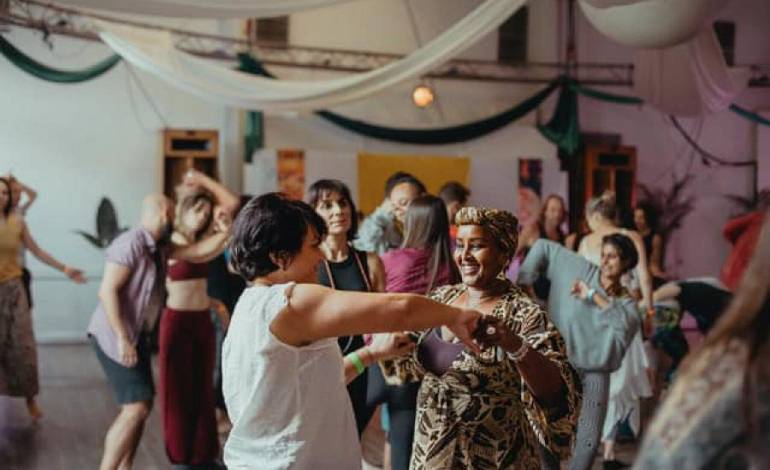
London: Sunday mornings at The Bath House in Hackney Wick do not mean lie-ins. Today, more than 100 people gathered to dance out the week’s stress at an ecstatic dance rave.
Part workout, part mindful meditation and alcohol-free, ecstatic dance events are expanding across the UK. DJs provide the beats for all ages, from families and twenty-somethings to older dancers. Community spaces host most events, but gyms are joining in. David Lloyd Clubs now runs spirit dance meditation classes.
The practice centers on inclusivity, mindfulness and expression through movement. “There’s a little rhyme: no booze, shoes, no chit chat,” says Richard Batts, co-founder of Ecstatic Dance UK, which ran today’s event.
For parents and people choosing sober lifestyles, the Sunday sessions offer an alternative to late-night parties. Batts admits it can feel uncomfortable at first. “People are sober. It can feel very edgy,” he says. “You might feel really silly doing this, and that’s okay. If you don’t want to do it, then don’t. But lean in if you can.”
Modern ecstatic dance draws from 5Rhythms, a free-form style developed in the 1960s and 70s. Dancers move through five stages: flowing, staccato, chaos, lyrical and stillness.
Regular participant Valerie Chartrand calls it “a kind of engaged, interactive movement therapy session.” She prefers it to structured dance classes. “When I’m doing it, it’s absolutely wonderful, very liberating. You get that dancer’s high. For days afterwards I feel I’m in a better state of mental health.” As an introvert, she values the social connection without pressure to talk.
Batts says the mental health and social benefits drove popularity during the pandemic. In lockdown, Ecstatic Dance UK moved sessions outdoors. Groups of six could dance together under government rules, keeping people connected while venues stayed closed.