Indian cities revive old reuse culture to tackle modern waste crisis

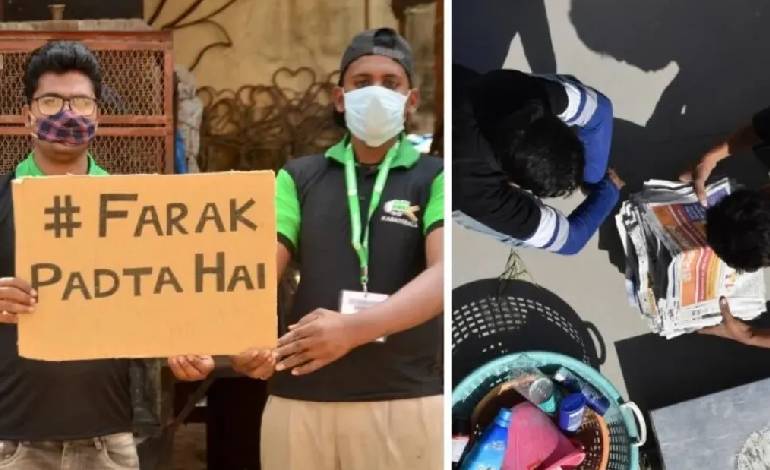
The corner for “useful someday” items was once standard in Indian homes. Old newspapers, glass bottles, cardboard boxes and plastic containers waited for the kabadiwala.
That informal system faded as gated apartments replaced lanes and disposable products took over. Now cities like Kochi and Mangaluru are bringing reuse back, but in new forms.
Swap shops have opened beneath flyovers. Repair fairs urge residents to fix appliances instead of tossing them. Community groups run reusable cutlery banks for festivals. Online kabadiwalas are turning India’s oldest recycling habit into app-based services.
In Kochi, the shift follows the March 2023 Brahmapuram landfill fire. Flames and toxic smoke blanketed the city for days, exposing urban waste systems collapsing under rising consumption. Since then, segregation, composting, reuse and decentralized waste management moved from niche ideas to urgent civic concerns.
Maradu municipality near Kochi launched a Swap Shop RRR Centre under the Kundannoor flyover. Residents leave usable clothes, books, school bags, toys, utensils, umbrellas and electronics for others to take home. A child’s old school bag finds a new family. Household items circulate instead of hitting landfills.
Urban sustainability estimates warn India’s cities could generate more than 165 million tonnes of waste annually by 2030 if consumption patterns hold.
These new systems do not replace India’s traditional recycling economy. They acknowledge it. For decades, kabadiwalas, ragpickers, scrap dealers and refurbishers have run one of the world’s largest informal recycling networks. Plastic, paper, glass and metal have long moved through recovery chains outside formal municipal systems.
Studies show informal waste workers often recover recyclables more efficiently than formal systems while cutting collection costs for municipalities. Long before sustainability became corporate language, they were building circular economies lane by lane.