Donkey therapy program at French psychiatric hospital shows major patient improvements

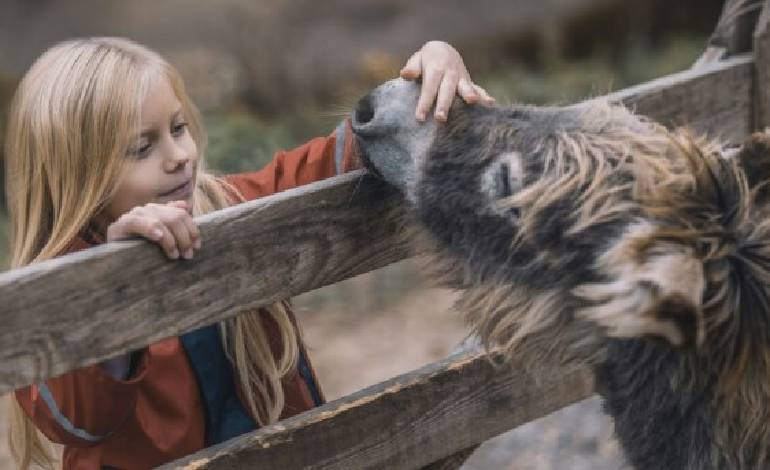
An animal therapy program at a psychiatric hospital in France is providing major improvements in care outcomes for patients, according to patients themselves, hospital staff, and program organizers. The team now wants proper research done to standardize the practice and expand it across the country.
Compared with the horse, the donkey suffers from negative stereotypes in culture and folklore. But that reputation is unjustified. Donkeys were domesticated 2,000 years or more before horses and have a long history of cooperation with humans. That history shows in their gentle, social and intelligent nature, which makes them effective therapy animals.
Every Friday at Ville-Evrard hospital complex in Neuilly-sur-Marne, near Paris, patients with psychiatric disorders, anxiety, loneliness and other ailments visit the hospital’s wooded farm sanctuary. There they have therapy sessions with donkeys named Nono, Pitou, Oscar, Manolo and Malraux. Bred to carry heavy loads over long distances, the donkeys handle patient anxiety and even schizophrenia with calm.
The sessions are varied. Some donkeys pull patients around in carts. Others offer hooves for cleaning to patients gaining confidence. Some simply nuzzle patients who need comfort. Patients attend free of charge. Several described it as a valuable change of scenery that brings “relief”.
“Talking with people, taking part in activities I wouldn’t normally do, it helps me in my daily life,” said 52-year-old patient Jérôme. “It helps you break away from the routine of treatment and medication. Staying at home isn’t good for me.”
Married couple Ermelinda and François Hadey launched the project for Ville-Evrard. François trained the first donkeys, which arrived in 2016. Ermelinda, a psychiatric therapy nurse, strongly believed in animal therapy and decided donkeys would be the perfect choice. The program has since grown to include goats, turtles, rabbits, guinea pigs, chickens and doves.
18-year-old nursing student Alicia Fabi told the Associated Press the activity gives patients a chance to leave the hospital environment. “Every time we come back from the activity, they say they feel good, calm and relaxed, and that they enjoyed the outing. That’s really positive,” she said.
The hospital and the Hadeys are now seeking proper scientific research on the donkey therapy program. Their hope is that data will help standardize the approach and make it available more broadly across France.