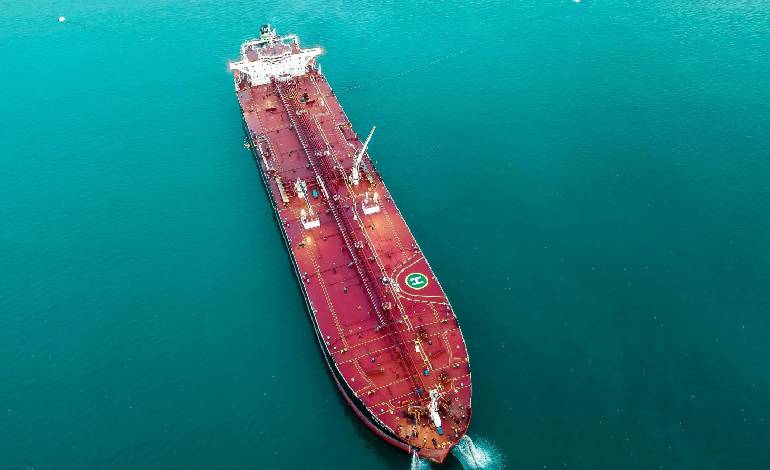
Battery giant CATL targets marine shipping as next frontier for electrification

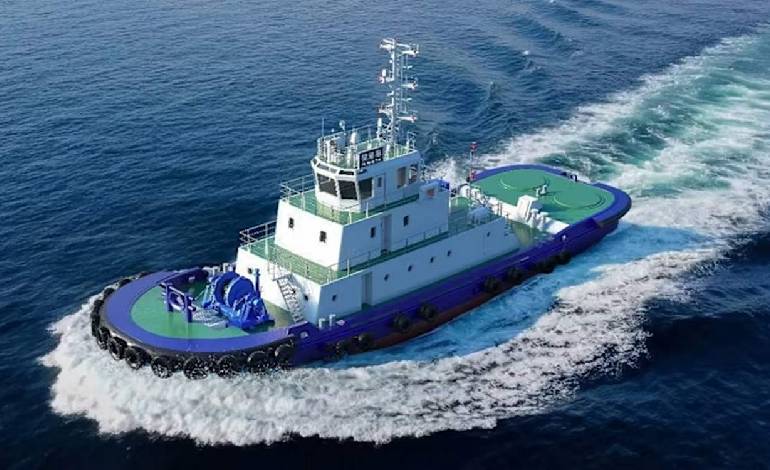
A Chinese conglomerate that controls 37% of the global market for EV batteries says it will “spare no effort” to electrify parts of the marine shipping industry, signaling a push to bring battery power to near-shore vessels.
CATL, which also holds about 22% of the world’s energy storage system market, plans to double its maritime applications division to pioneer early battery systems for ships operating closer to shore. “We will spare no effort in investing in R&D, human resources and materials to build the supply chain for this industry,” said Su Yi, who leads the group’s Maritime Business Unit.
The move comes as lithium-ion costs have fallen 90% over the past two decades, driving down battery prices and fueling the global boom in electric vehicles. But maritime applications have lagged, largely because batteries produce lower-density energy than the heavy fuels used to power container ships and tugboats. Displacing water demands far more energy than moving through air.
Up to now, decarbonizing shipping has focused on greener fuels such as green methanol and hydrogen. The International Maritime Organization aims to halve the industry’s share of global emissions from 3% to 1.5% by 2050.
Early zero-emissions trials are underway. In 2024, a consortium of Japanese firms completed a demonstration of the first zero-emissions ship above 20 gross tons, sailing 30 kilometers, or 18 miles, out to an offshore wind farm and back. A year earlier, global shipping leader Maersk ordered its first green methanol-powered ship and has since placed orders for 25 more methanol vessels, while also retrofitting existing ships with methanol engines and turbines.
CATL’s expansion into maritime battery systems adds another path as the shipping sector looks for ways to meet its 2050 climate targets.