As Mumbai floods, Kolkata’s 12,500-hectare wetlands offer a natural climate solution

Kolkata: As Mumbai struggled with flooded roads, stranded commuters and delayed trains this week after days of relentless rain, cities across India are facing a familiar monsoon crisis.
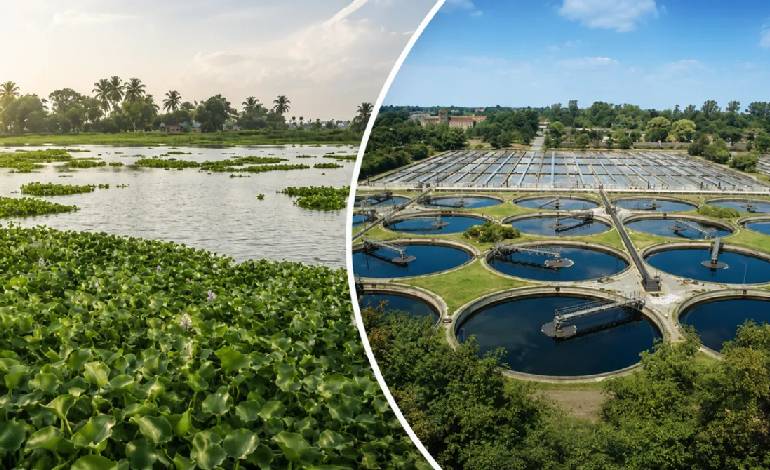
Hundreds of kilometres away, Kolkata offers a different model. On the eastern edge of the city lies the East Kolkata Wetlands (EKW) — a 12,500-hectare ecosystem that acts as a natural sponge, absorbs excess rainwater, treats sewage, and supports thousands of livelihoods.
Often called the “natural kidneys” of Kolkata, the wetlands filter a large portion of the city’s sewage every day. Sunlight, algae, aquatic plants and microorganisms clean the water without energy-intensive treatment plants. The nutrient-rich water is then reused in 250+ sewage-fed fisheries, vegetable farms and paddy fields.
Recognised as a Ramsar Site in 2002, the EKW is considered the world’s largest natural resource recovery ecosystem. During monsoons, its other critical role comes into play. Instead of overwhelming city drains, the wetlands slow runoff, temporarily hold floodwater, and release it gradually — reducing waterlogging across Kolkata. Scientists call this a nature-based solution, where healthy ecosystems provide services that grey infrastructure often cannot match.
But the system is under pressure. Illegal encroachments, urban expansion and pollution are shrinking the wetlands. Experts warn that losing these natural buffers could leave Kolkata more vulnerable to flooding while threatening biodiversity, food production and livelihoods.
As climate change brings more unpredictable monsoons, the East Kolkata Wetlands offer a clear lesson: flood resilience may not always mean bigger drains or taller walls. “Sometimes, it is about protecting the ecosystems that have been doing the job all along,” the report notes.