India broadens fight against anaemia with IV iron, doorstep screening and digital tracking

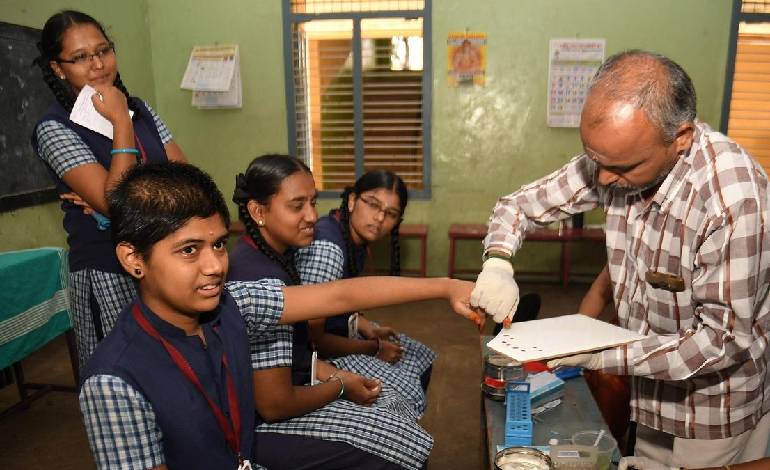
New Delhi: India is expanding its Anaemia Mukt Bharat programme with revised operational guidelines that introduce intravenous iron therapy, community-level screening, and a unified digital monitoring system, the Union Health Ministry announced on June 28, 2026.
For pregnant and lactating women with severe anaemia or those who do not respond to oral iron therapy, the guidelines now recommend IV iron using Ferric Carboxymaltose and Iron Sucrose. The Ministry said IV iron replenishes stores faster and is cost-effective from the second trimester onward.
To strengthen monitoring, haemoglobin test records for pregnant women will be captured through the JANANI Portal, while data on children will be recorded via RBSK and U-WIN portals. These will converge into a unified AMB Abhiyaan Portal to track services, analyze data, and plan programmes.
Anaemia remains a major public health challenge despite years of interventions. NFHS-5 shows 67.1% of children aged six to 59 months, 57% of women aged 15–49, 52.2% of pregnant women, and 59.1% of adolescent girls aged 15–19 are anaemic. The condition impairs physical growth, cognitive development, learning ability, work productivity and maternal health, while raising risks of adverse pregnancy outcomes.
The Health Ministry said the burden is not only due to iron deficiency but also folate and vitamin B12 deficiencies, infections, worm infestations, inherited blood disorders and poor dietary diversity, requiring a comprehensive life-cycle approach.
A new ICMR-NIN study published in BMJ Global Health found that a proactive, community-wide screen-and-treat strategy can fill gaps left by facility-based screening. “Currently, India’s ‘Anaemia Mukt Bharat’ programme focuses mainly on pregnant women and relies on facility-based screening. But this approach often misses large sections of the population,” said ICMR-NIN Director Bharati Kulkarni.
In the study, anaemic individuals received therapeutic IFA supplementation while non-anaemic participants got prophylactic doses, in line with national guidelines. However, only about one-third of people who needed treatment took supplements regularly, even with awareness campaigns. Improving adherence through counselling and follow-up will be key.
“Our findings confirm that a population-level screen-and-treat strategy for anaemia reduction is feasible and can address key gaps in identification and coverage of IFA supplementation,” Kulkarni said. The study underscored the need for behaviour change communication and supportive follow-up.
ICMR-NIN researchers believe integrating structured screening and treatment into existing health programmes could speed up progress against anaemia — especially among adolescent girls and women — improving health, productivity and the future of millions.