Shovan Sinha Ray uses storytelling and dance to build community after trauma, HIV diagnosis

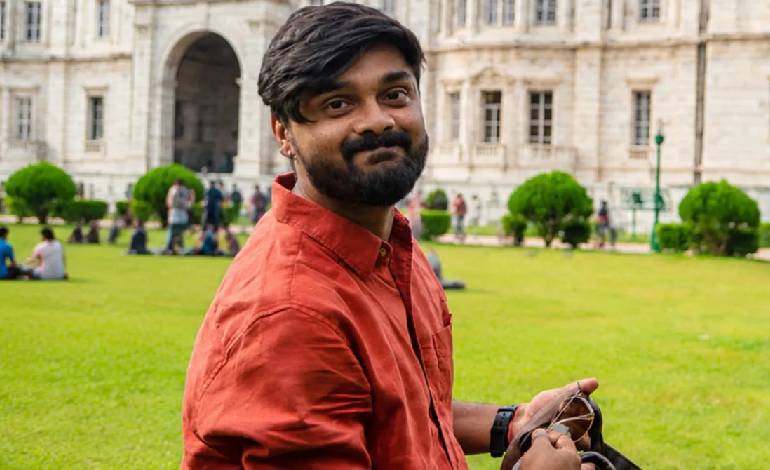
Kolkata: Human rights researcher, educator, dancer, and podcast creator Shovan Sinha Ray is using personal experience to build spaces for belonging, after surviving sexual assault and an HIV diagnosis during his master’s studies in 2018.
In a first-person account, the Kolkata-based changemaker traces a journey from trauma to advocacy, focusing on resilience, community, and reducing stigma around HIV.
From crisis to community
While pursuing a Master’s in International Studies at Christ University in Bengaluru, Ray was sexually assaulted and later diagnosed with HIV. He says the 72-hour window for Post-Exposure Prophylaxis, or PEP, had passed by the time he accessed medical care. Counseling from doctors helped him begin processing the diagnosis.
Ray describes that period as the start of a longer process of learning to live, trust, and belong again. He speaks openly about living with HIV today, arguing that stigma often causes more harm than the virus itself due to medical advances like antiretroviral treatment.
Dance as a tool for inclusion
Long before his diagnosis, Ray found refuge in dance. As a child he faced criticism over his dark skin and sensitivity, but found early support from his grandfather, who encouraged curiosity and creativity.
At 13, Ray began teaching dance to young people from underserved backgrounds, including children of waste pickers and newspaper vendors. That work grew into Kalchakra: Dance Beyond Boundaries, an initiative built on the philosophy “anybody can dance.” The program now includes young dancers, men challenging gender stereotypes, and women who had postponed their own dreams.
Two of his early students later became professional dancers and choreographers.
Advocacy and Hear Queer podcast
Ray’s professional path includes education and inclusion projects with the U.S. Consulate General Kolkata, work as Head of Research and Development with Gramiksha, and his current role as a Human Rights Researcher with ReportOUT. In September 2024 he launched Hear Queer, a podcast built on word-of-mouth reach. With five episodes released and two in post-production, the show has hosted seven guests — educators, advocates, artists, and community leaders. Instagram analytics show over 36,797 views, with the primary audience aged 25-34 in India and additional listeners in the US, UK, Canada, and Netherlands. The platform has also contributed to UNAIDS and the International AIDS Society’s U=U Dance Challenge.
For Ray, the podcast answers a question he once asked himself: “What would have happened if I had heard stories like mine while growing up?” He says storytelling cannot erase pain, but it can reduce isolation.
Message on belonging and inclusion
Ray, who will begin as a Teach For India Fellow, says his work now focuses on moving beyond representation to real inclusion. He argues that inclusion requires trust, opportunity, mentorship, and environments where people living with HIV and LGBTQ+ people can participate and lead without fear.“Belonging was not something I had to wait for other people to give me. It was something I could help create,” he writes.
If you need crisis support: In India, you can contact Vandrevala Foundation Helpline at 9999 666 555. For HIV-related counseling, NACO’s helpline is 1097.