How a new study is helping India prepare for antibiotic resistance before it spikes

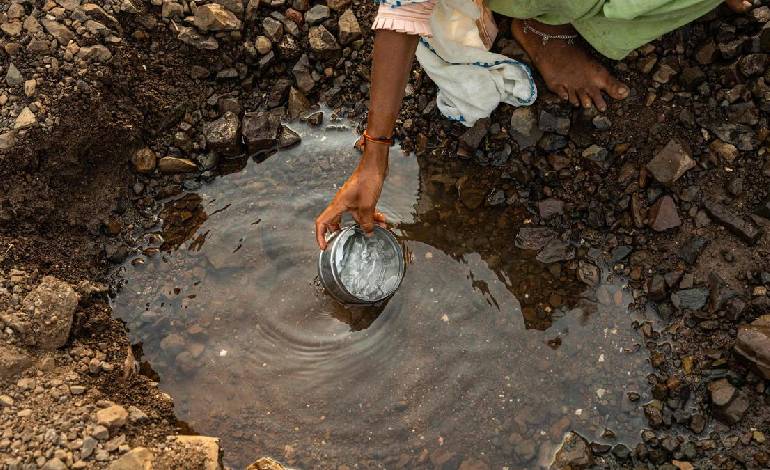
A new study by California Institute of Technology researchers, published in Nature Microbiology, found that drought stress increases natural antibiotic levels in soil. That favors bacteria resistant to antibiotics, raising ABR levels in dry soil.
The researchers projected that by 2050, several drought-prone regions, including parts of India, could face severe antibiotic resistance pressure.
But the study also hands policymakers and farmers a roadmap. By identifying the drought-ABR link now, India has time to act — through better soil moisture management, crop diversity, organic inputs, and AMR surveillance in agriculture. Early action on soil health could limit resistant bacteria before the problem scales.
For a country battling both climate stress and antibiotic overuse, this research turns a hidden risk into a solvable challenge. Knowing the connection means India can design drought resilience plans that also protect public health.