White abalone spotted alive off California coast for first time in 5 years

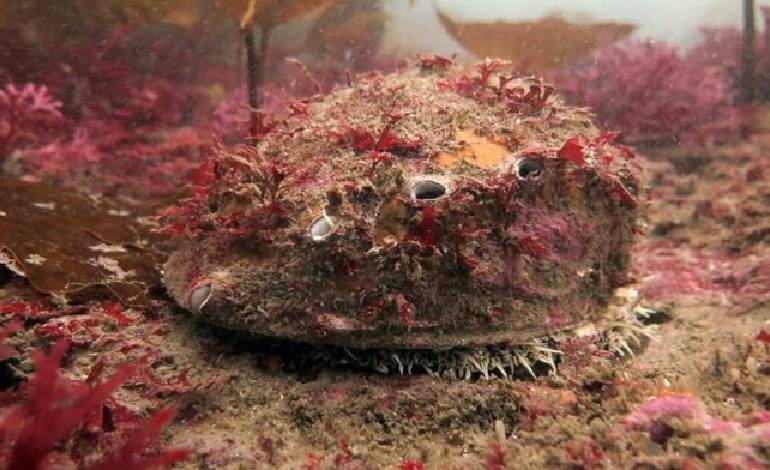
The white abalone is back. A research team aboard the National Oceanic and Atmospheric Administration vessel Shearwater has identified a living white abalone off California’s Channel Islands — the first confirmed sighting of the critically endangered sea snail in sanctuary waters in five years.
The May 12, 2026 discovery was made as part of the “Wanted Alive! White Abalone” campaign. The campaign engages citizen scientists and recreational divers to record potential sightings of the species.
White abalone populations have collapsed by 99% since the 1970s. They’re now so rare that individuals in coastal kelp forests are often too far apart to reproduce. California’s kelp forests themselves have been severely reduced by sea urchin plagues, making recovery even harder.
Scientists are racing to understand where any white abalone still survive and what habitat might support their comeback. “It’s been like searching for a needle in a haystack,” said Julie Bursek, education and outreach coordinator for Channel Islands National Marine Sanctuary.
Bursek and her team surveyed waters near Santa Rosa and Santa Cruz islands. They focused on habitat characterization and collected environmental DNA, or eDNA — genetic material that organisms shed into the water and that can confirm a species’ presence without seeing it.
After initial surveys on the southeast side of Santa Rosa Island, the team moved to a state marine protected area on the southwest side of Santa Cruz Island. There, they identified habitat that looked promising for white abalone.
During a survey dive, Bursek and Jaimee Butler, assistant dive safety officer from Aquarium of the Pacific, spotted what they believed was their quarry. They recorded video and measured the shell length. Project leads at NOAA Fisheries later confirmed the sighting from the footage.
The team also successfully deployed a new eDNA sampler and collected samples for future analysis. Next steps include more habitat surveys on the southwest side of Santa Cruz Island, trying to relocate the individual, and processing the eDNA.
For a mollusk once driven to the edge of extinction, one confirmed sighting is a small but significant signal. It gives scientists a new lead in the effort to bring the white abalone back from the brink.