Breakthrough of the year: Lenacapavir injection could transform HIV prevention

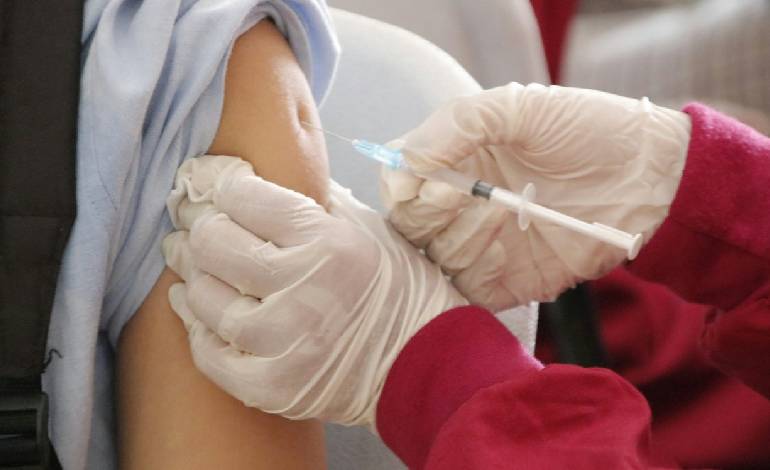
A new HIV-prevention drug has delivered what researchers are calling “almost unthinkable” results. In two large Phase 3 trials, a twice-yearly injection of Lenacapavir prevented HIV infection in more than 99% of participants, offering a potential breakthrough for long-acting prevention.
The first study, PURPOSE 1, tested subcutaneous Lenacapavir injections given every six months in Uganda and South Africa — countries with high HIV incidence. Among 3,200 young women enrolled, there were zero new HIV infections. That translated to 100% efficacy in the trial group.
The second study, PURPOSE 2, expanded the trial to more countries and continents and broadened the participant pool to include men and people of all ages. With 5,000 participants, Lenacapavir again showed a 99.9% reduction in infection rates.
Both trials were randomized and double-blinded. Instead of using a placebo, researchers compared Lenacapavir to the current standard of prevention: daily Truvada or Descovy pills. Those daily pills were also found to be about 99.9% effective during their own development, but only with perfect adherence.
That’s where Lenacapavir differs. A shot every six months is far easier to stick to than a daily pill. Researchers say this could reduce the social stigma of being seen taking daily HIV-prevention medication — a factor that matters in countries where male homosexuality is criminalized, including Uganda.
The data were compelling enough that both PURPOSE trials were halted early on ethical grounds so all participants could be offered Lenacapavir. A 52-week follow-up continued screening for HIV developments.
Lenacapavir was named Science magazine’s Breakthrough of the Year in 2024. The U.S. FDA has since approved it for use in humans under the brand name Yeztugo.
If rolled out widely, the twice-yearly shot could change HIV prevention, especially for people who struggle with daily medication or face stigma around it.