Victoria gets three new national parks covering 250 Sq miles, first in 15 years

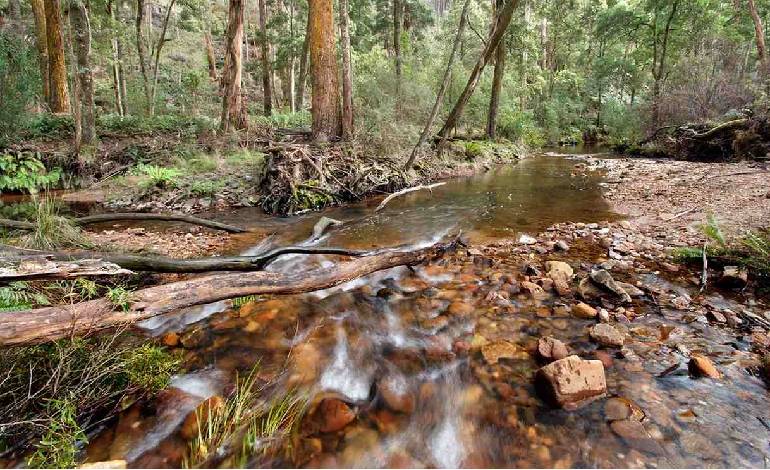
Melbourne: More than 250 square miles of forests in central Victoria have been declared national parks this week, after Parliament passed the law in November 2025.
The three new parks are Mount Buangor National Park, Pyrenees National Park, and the largest – Wombat-Lerderderg National Park. They are Victoria’s first new national parks of substantial size in 15 years.
The Victoria National Parks Association (VNPA) celebrated the declaration with fellow campaign groups Wombat Forestcare and the Wilderness Society.”Today we get to see the protection these forests deserve. It’s a fantastic day for nature and for Victorians, we have three new national parks! Congratulations to the Carroll Government for getting it done,” said VNPA Executive Director Matt Ruchel.
Together, the parks protect hundreds of rare and threatened plants, animals and fungi, including platypuses, greater gliders, goannas, Mount Cole grevilleas, brush-tailed phascogales, mountain skinks and powerful owls.”We are delighted that the state government has officially recognized the importance of these central-west forests for their plants and animals and acted to conserve them,” said Gayle Osborne, founding member of Wombat Forestcare.
Wombat Forestcare started campaigning in 2010 with a public conference in Hepburn. Its volunteers later produced detailed ecological reports on the landscape zones that are now national park, work that was central to securing the government investigation that recommended their creation.
The parks lie on lands of the Dja Dja Wurrung, Eastern Maar, Wadawurrung, Wurundjeri, Gunaikurnai and Taungurung peoples, who have cared for these landscapes for thousands of years. Parks Victoria will now jointly manage the areas and work on management plans over the next 12 months.
“We’re ready to help shape these plans, to make sure wildlife and people are both looked after and the parks have the resources they need to thrive,” Ruchel said.”
years we worked with local community groups to search for threatened animals, survey rare plants and, through years of delays, kept writing letter after letter. Today that hard work becomes permanent protection.”