Why your heart pounds at sudden sounds: scientists explain the 150-millisecond fear reflex

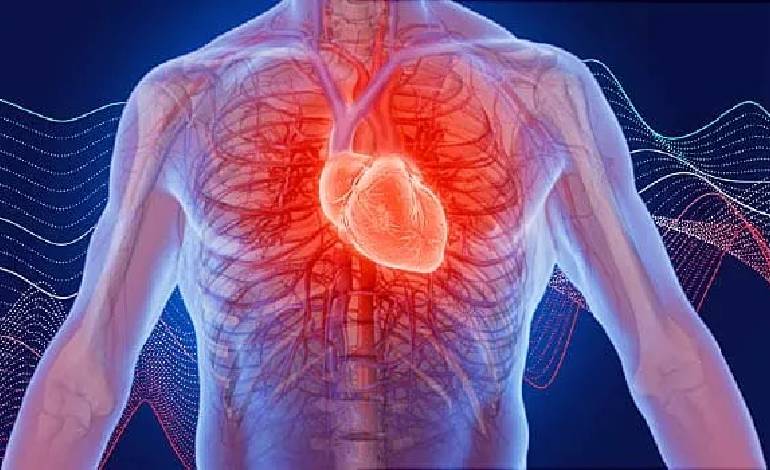
A loud bang in the night can set your heart racing before you even know what caused it. Now, researchers explain why the body reacts so fast. The pounding is both a neurological reflex and a physical effect, triggered in under 150 milliseconds — faster than conscious thought can process the sound.
When a sudden noise occurs, the signal travels from the cochlea through the brainstem to the amygdala. The amygdala treats the sound as a potential threat before the brain has identified what it is. From there, the amygdala alerts the hypothalamus, which activates the sympathetic nervous system. That system then signals the adrenal glands to release adrenaline into the bloodstream.
The hormone, also called epinephrine, binds to receptors in cardiac muscle. The result: an immediate increase in the rate and force of heart contractions. The chain reaction explains why a dropped pan or car backfire can leave your pulse racing, even once you realize there’s no danger. It’s an ancient survival reflex, primed to respond first and ask questions later.