UK solar farm earns biodiversity certification as developers look to protect wildlife

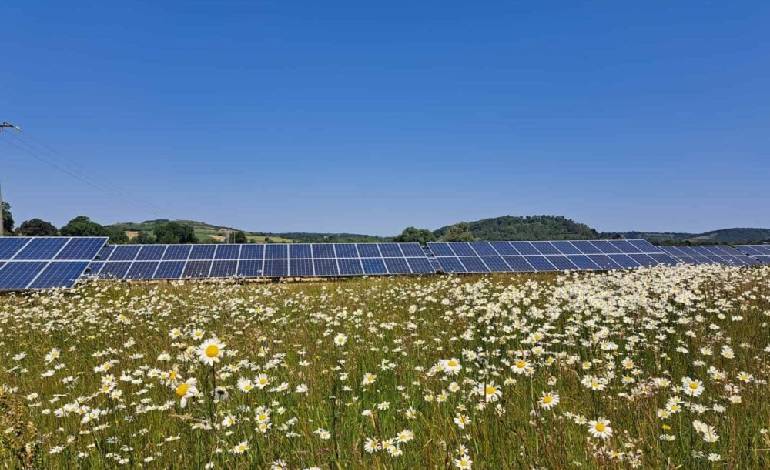
A new certification scheme in the UK is encouraging solar farm operators to improve biodiversity, with a solar farm in Essex recording projected gains of 65% in habitat biodiversity units and 19% in hedgerow units.
The scheme, launched by Wild Power, assesses how renewable energy developments protect and improve natural habitats. So far, only two solar farms in the UK have received certification for meeting its biodiversity standards.
Wild Power director Joe Arafa said well-managed solar farms could help address the climate and nature crises simultaneously.
“I like to think of it as a fair trade stamp, but for clean energy,” Arafa said.
Wild Power was established in 2022 after co-founder James Atkins visited a solar farm in northern Spain, where livestock grazed between solar panels and wildflowers attracted insects. The experience inspired the organisation to explore how renewable energy sites could also provide habitats for wildlife.
Although the founders initially considered developing their own wildlife-friendly solar farms, consultations with ecologists led them to create a free biodiversity scorecard instead. The tool helps developers assess, improve and report their impact on biodiversity.
The scorecard evaluates habitats, species, ecological connectivity, monitoring and site management. Measures such as creating habitat corridors, protecting endangered or protected species and controlling invasive plants contribute to a site’s score. Operators must achieve at least 70 points to apply for certification, which independently verifies the biodiversity measures implemented at a site.