The disruption to oil supplies following the closure of the Strait of Hormuz has accelerated electric vehicle (EV) adoption worldwide, with 49 of 56 countries tracked recording their highest-ever EV sales since the crisis began, according to a new report by energy thinktank Ember.
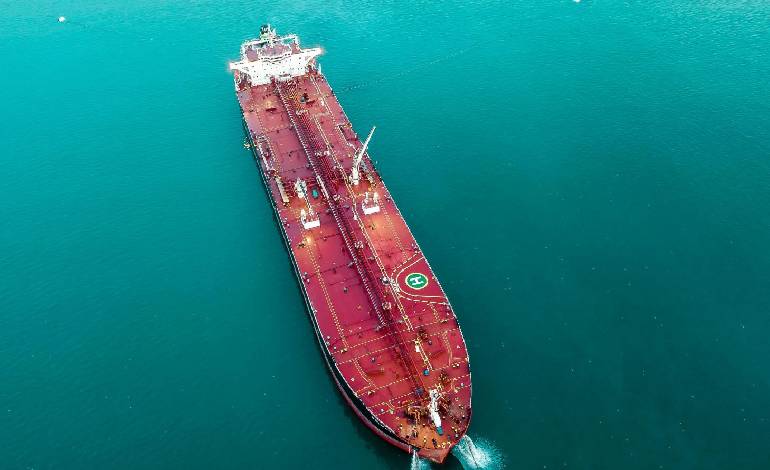
Iran closed the Strait of Hormuz in response to US-Israeli air strikes, disrupting a key global energy shipping route through which around a fifth of the world’s oil and gas supplies transit.
According to Ember, countries that invested in electric vehicle adoption before the crisis have been better protected from the resulting energy price shocks, with China among the major beneficiaries.
The country’s electric vehicle fleet has saved an estimated $14 billion (£10.5 billion) in oil imports since the crisis began, the report found.
The findings also highlight the growing adoption of battery-powered vehicles beyond wealthier economies. Countries including Vietnam and Uruguay are expanding their use of electric vehicles, while the United States is falling behind other nations in adoption, Ember said.
“The countries that invested in electric vehicles before this crisis are now better protected, and a growing number are following,” said Euan Graham, a senior analyst at Ember. “Every electric car on the road reduces exposure to volatile oil markets.”
The findings come amid renewed concerns about the vulnerability of oil-importing economies to geopolitical tensions and disruptions to global energy supplies.
US President Donald Trump has advocated increased domestic fossil fuel production under the slogan “drill, baby, drill”. However, the report suggests that the shift towards electric transport could also play a role in reducing exposure to international oil market volatility.
By replacing petrol- and diesel-powered vehicles with electric alternatives, countries can reduce the amount of oil required for road transport and limit their exposure to fluctuations in fuel prices.
Ember’s findings indicate that the Strait of Hormuz crisis has strengthened the energy security case for electric vehicles, as governments and consumers seek alternatives to oil-dependent transport.