The rise of India’s women bassists: Breaking strings and stereotypes

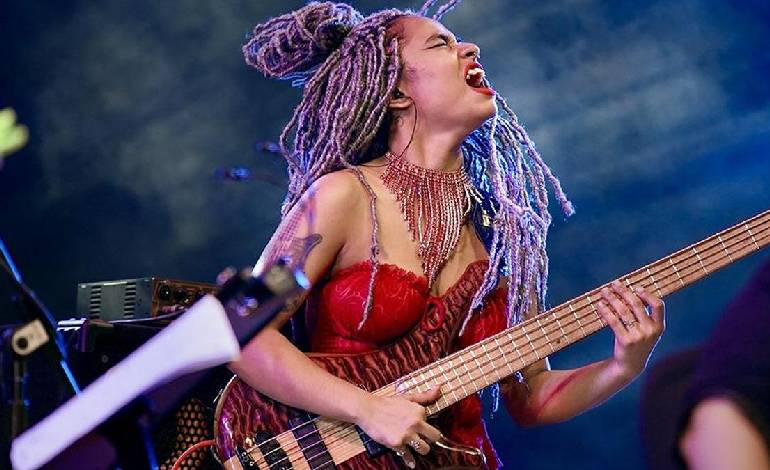
For decades, the standard image of a live band in India was predictable — boys with long hair on guitars, bass and drums. That blueprint is changing.
India never had many dedicated bassists, with guitarists often switching to bass at gigs. Now women are taking the lead as bassists, with instruments slung across their shoulders.
Pioneers like Shalini Mohan, Mohini Dey and Nilanjana Ghosh Dastidar triggered the new wave and broke stereotypes. Their appearance — Mohini’s dreadlocks, Nilanjana’s saris and Shalini’s trendy fits — along with precision on the fat strings, turned heads.
A new generation credits them for changing the perception that bass is a male instrument. Shachi Ajgaonkar from Pune, Shri Lavanya Pudipeddi — the only female bass player from Raipur — and Pooja Mazoomdar from Mumbai are among those carrying the movement forward. Social media has also made women bassists more visible.”I started when I was 14. My teacher suggested I try the bass. I gave it a shot and was hooked,” says 26-year-old Shachi, who plays with the band Sabali and sustains a career through corporate shows, college festivals and club gigs. She cites Indian Ocean’s Rahul Ram, Red Hot Chili Peppers’ Flea and Victor Wooten as inspirations.
For many, the challenge was not just musical but cultural. Mohini Dey, who began playing as a child in a musical family, has spoken about being told that “playing strength is different on a bass for girls than boys” and about the absence of female role models on TV.
Today, the stage looks different — from large concerts led by A R Rahman featuring multiple women instrumentalists to independent festivals — signaling a shift in a long male-dominated space.