Rapa Nui launches one of the world’s largest indigenous-managed marine reserves

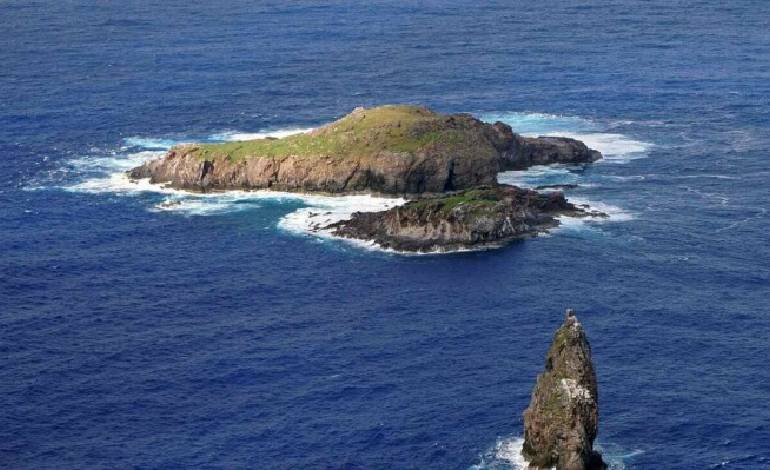
Rapa Nui: Residents of Rapa Nui, also known as Easter Island, will now oversee one of the largest marine protected areas on Earth, with indigenous leaders holding a voting majority to govern the quarter-million-square-mile reserve.
The new protected area, called Te Moana Tapu a Hotu Matuʻa, places management of the ocean surrounding the remote Polynesian island under a “sea council.” The council will have 6 seats for Rapa Nui representatives and 5 for officials appointed by Chile, which governs the island.
It is set to become one of the largest indigenous-managed reserves on land or sea anywhere in the world.“This partnership is about ensuring that Rapa Nui’s marine protected areas are not only designated, but also effectively managed and sustained for generations to come,” said Jose Luis Cabello, Senior Latin America Director for Island Conservation, a nonprofit that helped structure the MPA. “By supporting Indigenous leadership and strengthening long-term stewardship, we are helping translate protection on paper into real outcomes for people, biodiversity, and ocean health,” he added.
The framework will fund ranger patrols, enforcement, scientific monitoring, and community outreach that combines traditional Polynesian knowledge with modern science. Funding is provided by the Packard Foundation.
The reserve recently received a 2026 Blue Park Award, an international recognition for meeting rigorous ocean conservation standards.
Researchers have also suggested the protected waters may include unidentified breeding colonies of blue, fin, and humpback whales.
For the people of Rapa Nui, whose culture was built on seafaring and whose famous moai statues now gaze out over the protected waters, the move links conservation to heritage in one of the most isolated places on Earth.