New super-sensitive CAR-T therapy targets ‘invisible’ solid tumor cells

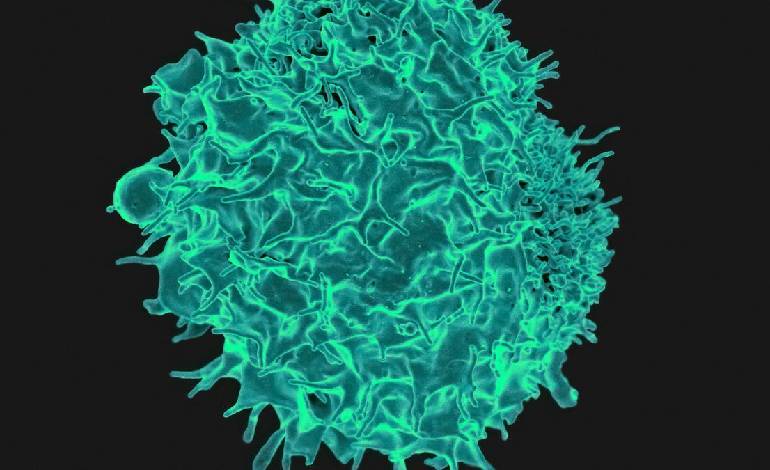
New Delhi: Scientists have developed an enhanced CAR-T therapy that can detect trace amounts of proteins on solid tumors, potentially overcoming a major barrier to treating cancers like kidney and ovarian cancer.
Chimeric antigen receptor (CAR) T-cell therapy modifies a patient’s own immune cells to hunt down cancer. It has transformed treatment for blood cancers such as leukemia and lymphoma. But the same approach has struggled with solid tumors.
One of the biggest obstacles is antigen heterogeneity. Tumors aren’t made of identical cells. They’re a patchwork: some cells display the protein that CAR-T cells detect, while others appear to lack it. Standard CAR-T cells only destroy ‘visible’ targets, so the invisible cells survive and let the cancer grow back.
The new therapy uses a highly sensitive receptor that can find “faint” targets — trace amounts of proteins other CAR-T cells miss. By spotting these low-level markers, the engineered T cells clear tumor cells that would otherwise escape.
In CAR T-cell therapy, a patient’s T cells are isolated, engineered to target specific cancer cells, then reinfused to mount their attack.
Researchers say the advance could extend CAR-T’s success beyond blood cancers to solid tumors, which make up about 90% of adult cancers.