New study clears indigenous Hawaiians of blame for extinct waterbird species

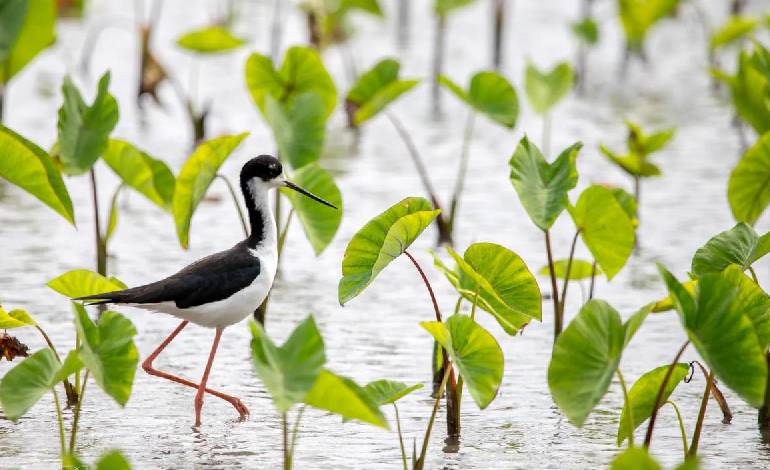
Honolulu: A study from the University of Hawaii at Mānoa has found no scientific evidence that Indigenous Hawaiians hunted native waterbird species to extinction, challenging a narrative that has persisted for 50 years.
Published in the journal Ecosphere, the research debunks the long-held claim and proposes an integrated theory for the disappearances. Researchers suggest climate change, invasive species, and shifts in land use were key drivers, with many extinctions occurring either before Polynesian arrival or after Europeans took control of wild areas.
The study re-examined the fossil record and found that of 18 known extinct Hawaiian waterbird species, 10 disappeared before Hawaiians ever arrived. It also noted that now-endangered waterbirds were likely most abundant just before Europeans arrived, when wetland management was central to Native Hawaiian society.
Kawika Winter, associate professor at the Hawaii Institute of Marine Biology and co-author, said the work pushes back on a bias in science that frames humans as inevitable agents of ecocide. “This idea has shaped the dominant narrative in conservation, which automatically places the blame for extinctions on the first people of a place,” Winter said.
The findings echo recent work by Víctor Moreno-Mayar, Assistant Professor of Geogenetics at the University of Copenhagen, whose 2024 study used genetic testing to show that Easter Island natives did not cause a population collapse by deforesting their island. Moreno-Mayar described the “ecological suicide” idea as part of a colonial narrative that assumes Indigenous peoples cannot manage their resources.