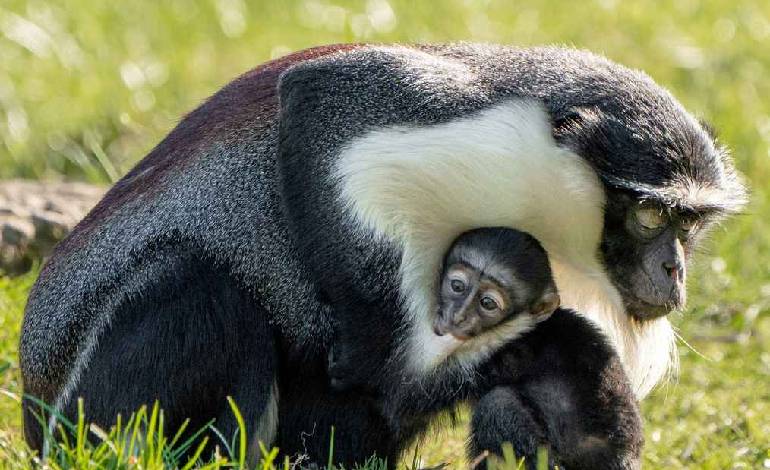
New Galápagos biodiversity atlas highlights 68 unique species

A new atlas of biodiversity of the Galápagos Islands highlights the unique evolutionary and ecological diversity of life in the famed archipelago that helped Charles Darwin develop the theory of natural selection.
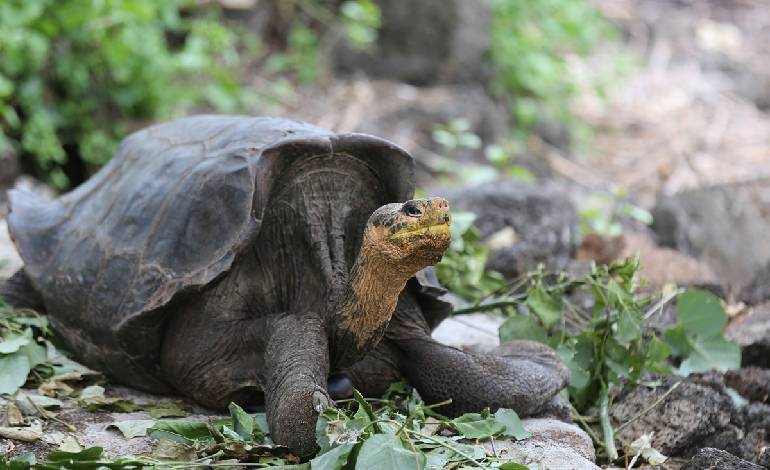
The Galapagos Atlas, created by the Charles Darwin Foundation, profiles 68 species and species groups in the island chain. These include the celebrities of Galápagos biodiversity, such as the giant tortoises (genus Chelonoidis), marine iguanas (Amblyrhynchus cristatus), and Darwin finches (genus Geospiza). It also features less famous plants and animals, such as the Galápagos kelp (Eisenia galapagensis), lichens, and Galápagos carpenter bees (Xylocopa darwini).
The freely available atlas was created by a team of 87 authors and artists including scientists, park rangers, and conservationists. Profiles of every species highlight both what is known about them, and what still remains unknown about their ecology, behavior, and conservation needs.”There is still so much we don’t fully understand about Galapagos flora and fauna, and that’s part of what makes it so fascinating,” Darwin Foundation executive director Rakan Zahawi said.
Zahawi called the Galapagos Atlas a starting point for people wanting to solve some of the scientific mysteries of life in the islands.”Each species entry comes with citations and references, so my first piece of advice to a young person who’s captivated by a species is to follow those leads,” he added. “Dig into the research behind the entry, see who’s been studying it and what they’ve found, and let that pull you further into the subject.
“The Atlas also includes primers on the natural history, human history, ecology, evolution, and geology of the Galápagos Islands, and highlights animals and plants that have become invasive to the islands.”Galapagos today has around 1,500 introduced species, of which just over 60 are classified as invasive, meaning they’re throwing the ecosystems out of balance and impacting native flora and fauna,” Zahawi said.
He added he hopes the atlas will raise awareness needed to keep other potentially invasive species from reaching the Galápagos. “The picture could be far worse: Galapagos authorities do strong work controlling entries into the archipelago, but every bit helps, and the more tourists understand their own potential to accidentally introduce a species, the better our odds of preventing it.”Galapagos Atlas editor-in-chief Gustavo Jiménez said he hopes that future editions will include more species, and will be published in both English and Spanish.
Penny Becker, CEO of conservation group Island Conservation, said the Atlas is a valuable addition to the conservationist’s toolbox. “By combining current knowledge with clearly identified research and management needs, the Atlas can help inform decisions and support more effective conservation action across the Galapagos,” she said.