New AI tool can detect heart disease from routine ECG in seconds, trial shows

London: Artificial intelligence has brought about a revolution in medical screening practices, and now from the UK comes another breakthrough in heart disease diagnostics.
Trained on millions of patients, a new AI tool has been designed to detect minute abnormalities in traditional electrocardiogram (ECG) readings.
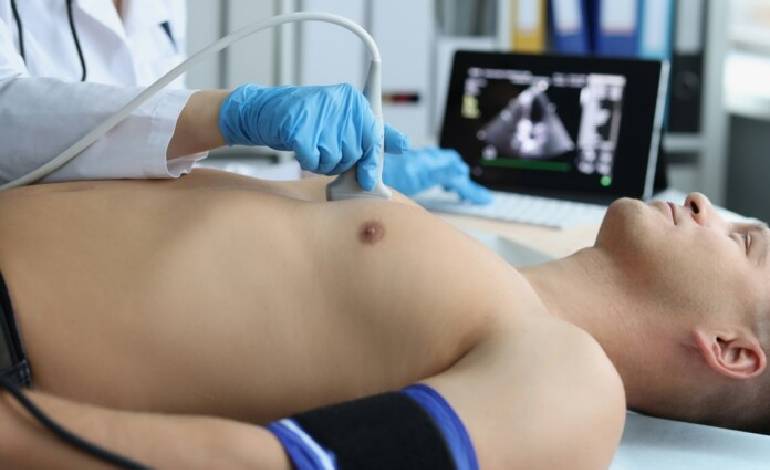
Though the ECG, which measures the natural electrical activity in the heart, has been a key part of diagnosing heart attack risk and heart arrhythmia for decades, it isn’t able to detect heart disease. For heart disease risk, an echocardiogram, or ultrasound reading of the heart is ordered, but appointments are often months later.
Now, an AI tool has been designed specifically to detect early signs of 2 of the most common forms of heart disease from ECG readings.
Details of the breakthrough, which could boost early diagnosis of heart disease, were presented at the European Society of Cardiology’s annual congress in Munich.”When it comes to the heart, earlier diagnosis and treatment saves and improves lives,” said Dr. Sonya Babu-Narayan, a consultant cardiologist and clinical director of the British Heart Foundation (BHF), which funded the trial.
Heart valve diseases and heart failure are the 2 conditions the AI is capable of detecting. In a clinical trial, 67,000 patients in the US had ECGs they had received analyzed. The model detected 81% of heart failure cases, and 90% of heart valve disease cases.
The ECG is one of the most common tests conducted in cardiology, with approximately a billion ordered every year worldwide.”Patients can often wait several months for a heart ultrasound scan after being referred for one by their doctor,” said Professor Fu Siong Ng, a professor of cardiology at Imperial College London who was involved in the study.”This makes it exciting that our technology could identify patients most at risk of heart failure and heart valve disease, so they could be prioritized for scans faster and more urgently.”