Koraput: On 9 September, a consignment of coffee left Koraput for Delhi. It had to reach the capital within 36 hours.
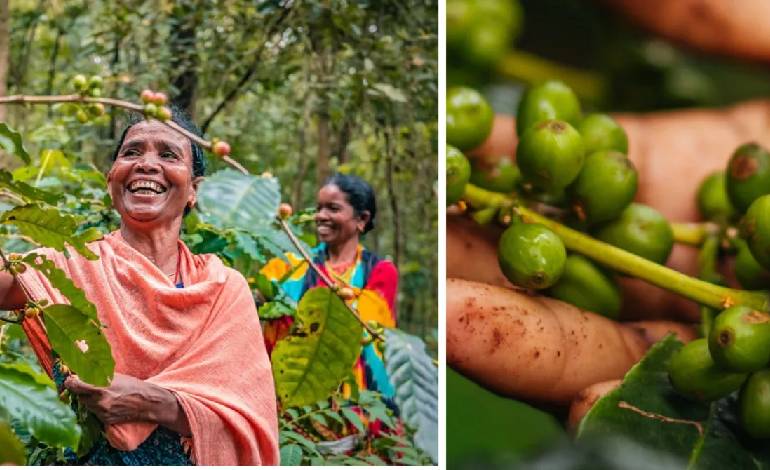
The order was headed for the 2026 BRICS Summit, where 1,500 packets of Tiger Bright – a 100% Arabica coffee grown in the forested hills of Koraput – were included in media kits for delegates and journalists.
The request came from the Ministry of External Affairs, which wanted Odisha to contribute a local product to the summit under the One District One Product initiative.
Koraput’s coffee-growing areas include Laxmipur, Kashipur, Dasmantpur, Nandapur, Lamtaput, Koraput and Pottangi. Some plantations, particularly around Nandapur and Machhkund, sit at around 920-950 metres above sea level.
The Coffee Board considers Odisha a non-traditional coffee-growing region, unlike the established coffee belts of Karnataka, Kerala and Tamil Nadu. Yet coffee has been part of Koraput’s landscape for nearly a century.
A Coffee Board publication records an experimental plantation at Bichalkota in 1930, established by the erstwhile Jeypore royals. In 1958, the Directorate of Soil Conservation and Watershed Development took over the programme, partly to address siltation around the Machhkund hydroelectric project.
The expansion gathered pace decades later. In 2016-17, the Koraput district administration established the Coffee Development Trust.
In parts of Koraput, coffee is cultivated beneath existing tree cover, with species such as mango, jackfruit, acacia and silver oak providing shade.
Odisha’s 2021-22 government report estimated that around 3,000 hectares were under coffee cultivation in Koraput, involving 3,200 growers and producing 550 metric tonnes of raw coffee.
TDCCOL (Tribal Development Co-operative Corporation of Odisha Ltd) has developed the Koraput Coffee brand, while government-supported infrastructure has expanded around processing and marketing.