Lab-grown cells restore vision function in mice, Duke study finds

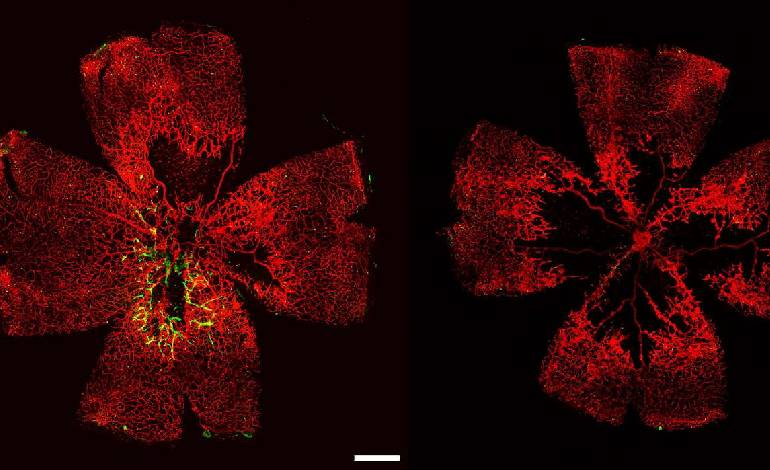
Durham: Scientists at Duke University have restored retinal function in mice using lab-grown blood vessel cells, raising hopes for treating blindness.
The team used induced pluripotent stem cells, or iPSCs, to grow retinal endothelial cells for the first time. When injected into mice with retinal disease, the cells integrated into damaged tissue and helped rebuild blood vessels.
The research targets diseases like diabetic retinopathy, the leading cause of vision loss in working-age adults in the U.S.“Using human stem cells, we generated the cells found in retinal blood vessels, paving the way for new therapeutic approaches,” said Professor Sharon Gerecht, lead author of the study in Nature Biomedical Engineering.
Current retinal cells are taken from patients and are costly and limited. The iPSC method could make them cheaper and easier to produce.
Researchers said the cells also show promise for testing new drugs in the lab. Duke has filed a patent for the therapy and for using the cells in drug discovery.