India’s factories eye a cleaner future through low-temperature heat shift

New Delhi: India’s push to decarbonise industry is finding new momentum in an unlikely place: the boilers and steam systems that power everyday manufacturing.
While green hydrogen and carbon capture often dominate the decarbonisation conversation, both remain several years from large-scale use. Yet industry, which made up nearly half of India’s final energy consumption in 2025, already has a near-term opportunity to cut emissions.
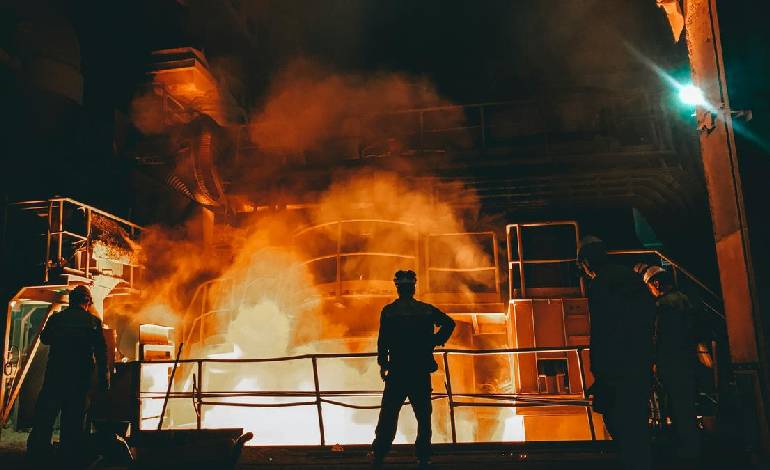
The focus is on process heat. Low-temperature heat and steam below 250°C drive core operations in textiles, food processing, chemicals, pharmaceuticals, and paper and pulp. Today, most of that demand is met by coal, oil, and gas. But cleaner alternatives are gaining ground.
Solar thermal systems, biomass boilers, heat pumps, and electrified steam are being piloted across factory clusters. These technologies target the exact temperature range that forms the backbone of light industry, offering a practical pathway to replace fossil fuels without waiting for deep-tech breakthroughs.
Early adopters are reporting lower fuel costs alongside emissions cuts, signaling a win-win for businesses. With supportive policy and finance, experts say this “low-hanging fruit” of industrial heat could accelerate India’s net-zero journey while keeping small and medium units competitive.
For a country where industry powers growth, rethinking how plants make heat and steam may be the fastest way to turn climate targets into factory-floor reality.