India taps ethanol for Sustainable Aviation Fuel as ATJ process clears key hurdles

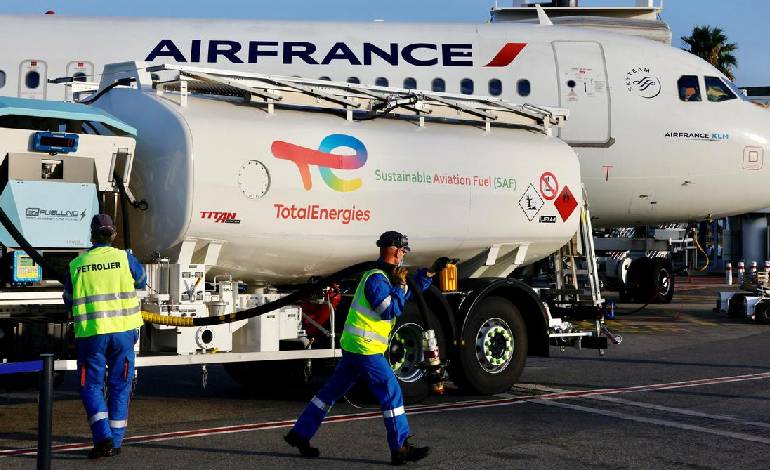
New Delhi: A government notification issued April 17 has cleared ethanol for use in Sustainable Aviation Fuel (SAF), marking a new step in India’s efforts to decarbonize aviation.
Aviation remains one of the hardest sectors to cut emissions from because batteries and hydrogen are not yet viable at commercial scale. That leaves SAF as the primary way for airlines to comply with international emissions frameworks.
Raw ethanol cannot run through jet engines. It would reduce thrust and risk clogging fuel lines by absorbing moisture. To make it flight-ready, ethanol must go through a process called alcohol-to-jet, or ATJ.
The ATJ process dehydrates the ethanol, lengthens its hydrocarbon chains, and hydrogenates the fuel. The result is a drop-in SAF that meets jet engine specifications without performance loss.
The April 17 notification positions ethanol as a feedstock for domestic SAF production, potentially opening new demand for India’s ethanol supply and giving airlines a pathway to meet blending mandates.
Industry analysts say scaling ATJ-based SAF will depend on refinery capacity, feedstock pricing, and certification, but the move signals a clear policy push to link India’s biofuel program with aviation decarbonization goals.