From asphalt to sanctuary: Abandoned UK refinery now haven for rare bees

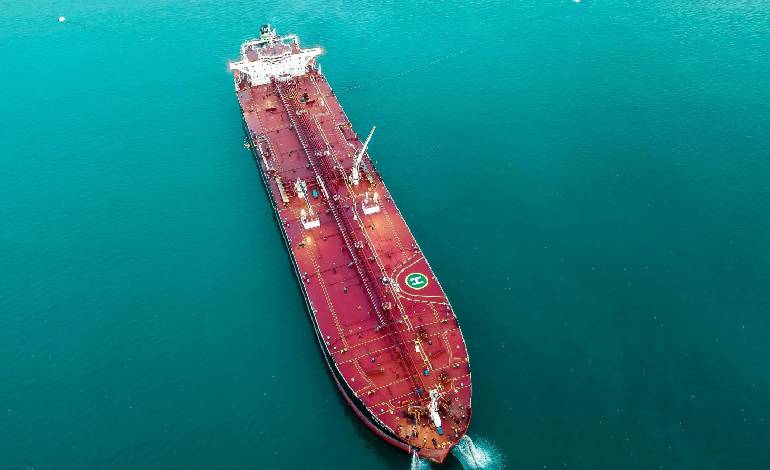
On the Thames estuary, where tankers once waited to feed a refinery that was never built, bees now buzz over flower-rich grassland and rare insects crawl through cracks in old asphalt. Canvey Wick, once slated to become a sprawling oil complex, has instead become one of Britain’s most unlikely wildlife havens.
In the 1970s, silt and asphalt were plastered across the site’s wildlife-rich grazing marshes, turning them into what looked like a barren industrial wasteland. The transformation was meant to pave the way for a major refinery. But the oil crisis of 1973 shelved the project, leaving the ground empty. And in that absence, nature made a cautious return.
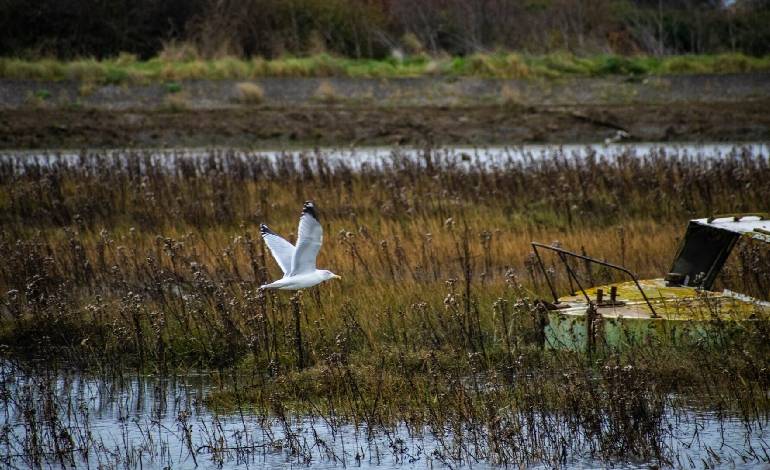
Today, Canvey Wick is a mosaic of flower-rich grassland. It has become a hotspot for insects, including rare and threatened species such as the shrill carder bee. The site now supports thousands of insects, birds, plants and other species.
The brownfield oasis was designated a site of special scientific interest in 2005. It is now managed by the Royal Society for the Protection of Birds (RSPB) alongside partners at Buglife and the Land Trust, which owns Canvey Wick.
The story is not unique to Essex. Abandoned oil refineries are emerging as unlikely havens for wildlife in the UK and across the pond in California, US, becoming sanctuaries where industry once ruled.
At Canvey Wick, the contrast is stark: what was engineered for fuel and fire now sustains pollinators and grassland birds. The asphalt laid for tankers still lines some paths, but wildflowers push through the seams. Where grazing marshes were lost, a different kind of biodiversity has taken hold — one shaped by industrial remnants and decades of quiet rewilding.
For conservationists, sites like Canvey Wick show how brownfields, often written off as ecologically dead, can rebound into ecosystems of national importance. For visitors, it’s a reminder that abandonment doesn’t always mean ruin. Sometimes, when industry leaves, wildlife moves back in.