E20 petrol is now the default at Indian pumps

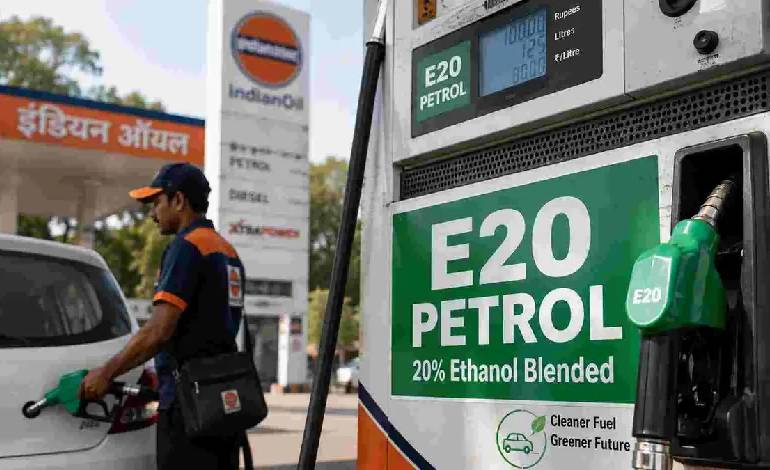
Since 1 April 2026, E20 has become the standard petrol grade across India. You’ll now see a small sticker near the nozzle and a new line on your receipt. E20 means petrol blended with up to 20% ethanol made from crops like sugarcane and maize, with the remaining 80% regular petrol. It also meets a higher RON 95 standard.
India reached this 20% blending target five years ahead of the original 2030 deadline. For comparison, Brazil has run similar blends since the 1970s and Paraguay mandates around 30%. What sets India apart is the speed of the shift, from 1.5% blending in 2014 to 20% in 2025.
The main difference drivers will notice is mileage. Ethanol has less energy than petrol, so fuel efficiency dips slightly. Ethanol is also mildly corrosive to some older rubber parts. On the plus side, it burns cleaner and cuts some tailpipe emissions. The government says E20 also helps cut crude oil imports and supports farmers.
Is your vehicle ready? It depends on the manufacturing date
Every petrol vehicle made from April 2023 onwards is built to run on E20 with ethanol-resistant parts and engine tuning. If your car or bike is newer than that, there’s nothing to worry about.
Vehicles made before April 2023, especially those with BS3 and BS4 norms, were designed for E10. They won’t break down overnight, but may see a small mileage drop and slightly faster wear on fuel lines over time.
To check, look for an E20 sticker inside the fuel flap, refer to your owner’s manual, or call your authorised service centre with your VIN.
On price, E20 is similar to regular petrol. As of mid-2026 it was around ₹102/litre in Delhi. Ethanol is bought at fixed rates to keep farmer incomes stable, so the blend doesn’t automatically mean cheaper fuel. Branded ethanol-free petrol is still available at select pumps for about ₹160/litre.
For most drivers, it comes down to one quick check. Knowing where your vehicle stands now can help avoid maintenance issues later.