Delhi’s youngest safai karamcharis: 1,600 children, one tutor, 250 parks cleaned


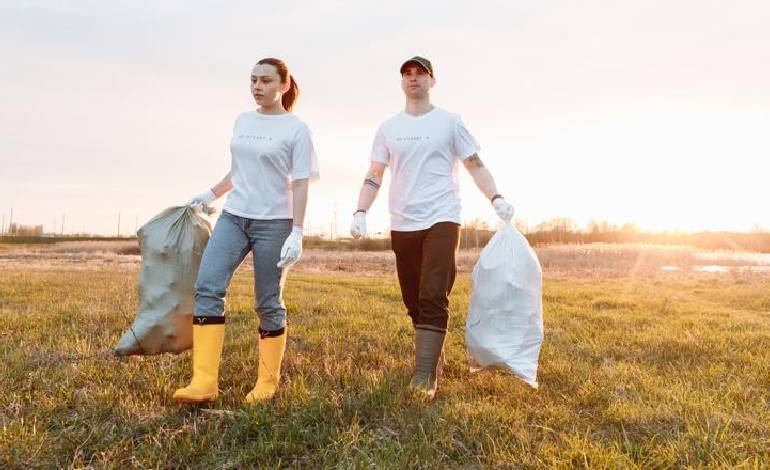
New Delhi: Every Sunday, groups of 40 to 50 children in north-west Delhi pull on gloves and masks, pick up brooms, shovels and sacks, and head for a park or street corner buried in rubbish.
Most of them come from migrant working-class families whose parents moved to the capital for work and now rent homes nearby. Behind them walks Vinay Das, a tutor who lives with his wife, two children and mother in a rented room in Wazirpur that measures eight feet by eight feet.
Since 2018, his young volunteers have cleared around 250 parks, streets and public spaces, and 1,600 children have now joined his mission.
Das began offering free tuition to poor children in his neighbourhood in 2013. Soon after finishing his own education, he received an offer to join a semi-private university as a lecturer, a job that would have made him financially secure, but he chose to work among children from slums and rented rooms instead.
His own childhood shaped that choice. His father worked as a peon at a Delhi police station, and Das grew up in a small room shared with two brothers and three sisters. He started working at the age of 7 to pay for his studies.
Today, he teaches around 300 children, and some of his former pupils are pursuing master’s degrees. Das says Wazirpur’s parks once held garbage piles 12 to 15 feet high, so he concluded that educating children and raising their awareness had to go together. On September 1, 2018, he led a team of 150 children into one such park and cleared it. Children now play there.
The drive then spread beyond Wazirpur as the team began posting its work on social media. Although 1,600 children belong to his projects, about 350 take part in the cleaning drives at any time. Teams also plant saplings where garbage once stood and tend them for at least three months.
The volunteers clear green waste, debris and household waste, and also collect idols that people leave beside roads or under peepul trees. They immerse these idols in artificial ponds or large tanks.
At the Munak canal, where he saw large numbers of idols being immersed, the team has cleaned about three kilometres and removed more than 2,500 idols, according to reports. One recent drive pulled a Shivling weighing 30 to 35 kilograms out of the waste.
The work carries risk, as volunteers have found glass and needles in the waste, and chemicals leaking from one sack once blistered Das’s hands.
Das charges parents a fee of up to Rs 600 for students from Class 1 to 12, which covers cleaning supplies, stipends for older students who tutor younger ones, and rent for a free library. In 2024, he registered an NGO, Swasti Das Seva Samiti.
Delhi generates 11,852 tonnes of municipal solid waste daily but processes only 7,611 tonnes, the Central Pollution Control Board told the National Green Tribunal, leaving 4,241 tonnes for the Bhalswa and Ghazipur dumpsites.
Recognition has followed the effort. Delhi Chief Minister Rekha Gupta has shared Das’s Instagram page. Das says his larger aim is that these children carry such campaigns wherever life takes them.