Breakthrough 1988 discovery paved way for new hope in pancreatic cancer treatment

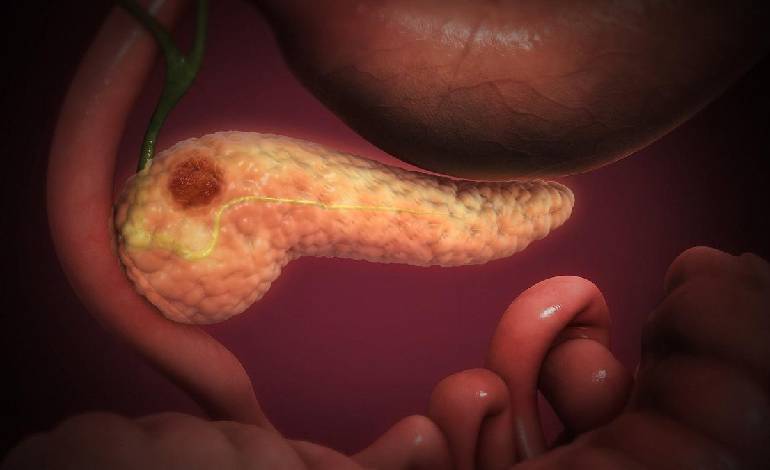
Boston: A discovery made in 1988 is now fueling real hope for patients with one of the toughest cancers to treat.
That year, a landmark paper in the journal Cell revealed that around 95% of pancreatic cancers share mutations in a gene called KRAS at a specific location. It was one of the first times scientists found a near-universal genetic driver behind a cancer.
At the time, KRAS was labeled “undruggable.” But the finding gave researchers a clear, common target. And nearly four decades later, that clarity is paying off.
Today, drugs designed to block mutant KRAS are moving through clinical trials. Several have already been approved for lung cancer, and therapies aimed at pancreatic cancer are now in development. For patients and families who’ve waited years for progress, it’s a major step forward.
To understand the impact, think about how cancer starts. In a healthy body, cells grow and divide on a tight schedule. Signals tell them when to divide and when to stop. If cells are damaged, they repair themselves or undergo programmed cell death. That balance keeps us healthy.
In pancreatic cancer, KRAS mutations jam the “go” signal on. Cells divide without control. The 1988 study identified that faulty switch.
That insight helped launch precision oncology, where treatment is matched to the exact mutation driving a tumor. It turned a devastating diagnosis into a problem with a genetic address.
“We went from not knowing why these tumors grew, to knowing the exact reason in 95% of cases,” said one cancer researcher. “Now we’re finally building drugs that act on that reason.”
What began as a single paper in 1988 is now giving patients something they didn’t have before: a path to targeted treatment, and renewed optimism.