BHP wins BC reclamation award for former Island Copper Mine restoration

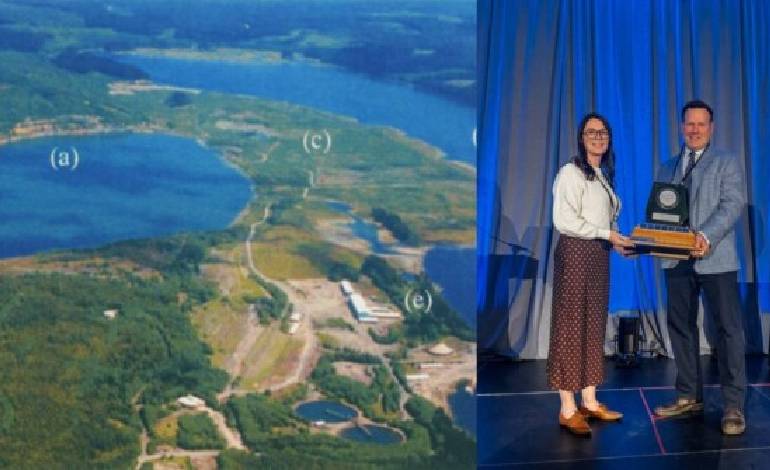
Port Hardy: In British Columbia, a small award ceremony was held to commend mine operators who continue to monitor and spend on mine reclamation years after operations end.
This year, the BC Technical Research Committee on Reclamation (TRCR) presented its Annual Reclamation Award to BHP, the world’s largest mining company, for its work on the former Island Copper Mine near Port Hardy in northern Vancouver Island.
Mining has long been the backbone of Canada’s economy, and BC was the first province to mandate by law that mine plans could only be approved if they had a reclamation operation laid out and budgeted from the start.
The Island Copper Mine, in operation between 1971 and 1995, was at one time the deepest point touched by the Sun anywhere on Earth, with its main pit spiraling down over 1,320 feet. The resource mined measured over 1 billion tons, primarily copper, along with silver, gold, molybdenum, and rhenium.
At its peak, it employed 900 local residents, turning Port Hardy from a small village into a flourishing town of 5,000 people.
When the orebody was exhausted, BHP conducted extensive environmental studies for a sophisticated reclamation plan.
BHP flooded the mining pit with seawater, forming a stratified lake with oxygen-depleted bottom waters into which acid rock drainage from waste rock could be injected and neutralized — a novel system at the time.
Since May 2001, BHP modified its approach to increase oxygen depletion and heavy metal absorption by fertilizing the surface waters every 7–10 days to stimulate plankton blooms that absorb contaminants and oxygen before sinking to the bottom.
“BHP has continued to support its reclamation through ongoing monitoring, adaptive management, and improvements to the site’s water management infrastructure,” the TRCR said in a statement.”These efforts have strengthened environmental protection, enhanced the long-term reliability of the Pit Lake treatment system, improved operational flexibility through remote capabilities, reduced worker safety risks, and increased resilience to extreme weather and power outages.”