New ‘fridge-free’ powder vaccine could transform immunization in developing nations

London: A new fridge-free production method for vaccines could create more reliable immunizations for low and middle-income countries and cut wastage.
Currently, a large percentage of vaccine doses are discarded when the “cold chain” — the strict temperature-controlled storage from production to use — is interrupted. The challenge is greater in the Global South where high temperatures and limited rural medical infrastructure make refrigeration difficult.
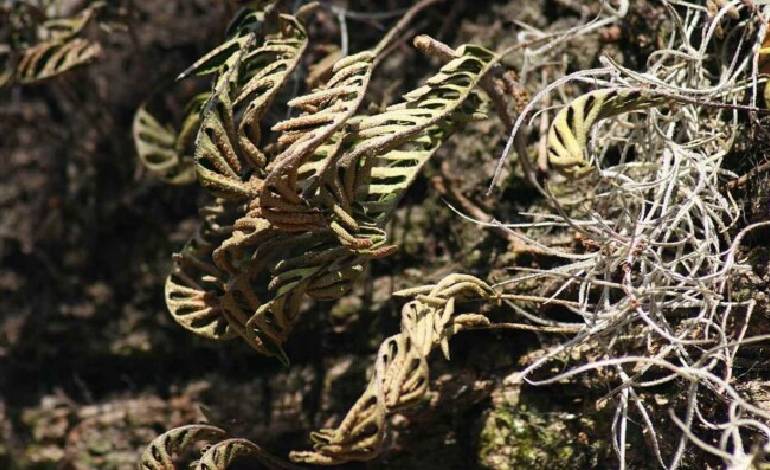
The UK’s National Institute for Health and Care Research (NIHR) is testing a powder-based vaccine inspired by “resurrection plants,” which can appear lifeless for months before reviving with rain.
The powder remained stable for a year at room temperature and even after temperature cycling from -4°F to 104°F, similar to conditions from an aircraft cargo bay to a truck on a rural road.
The technology uses trehalose, a sugar produced by resurrection plants in Africa and South America to stabilize cells during drought, to stabilize a tetanus-diphtheria vaccine in powder form.
In a trial by co-developer Stablepharma involving 60 people, the vaccine was found safe and produced immune responses comparable to conventional cold-chain vaccines.”This has potential to remove cold chain dependence, reduce wastage and improve access,” said Professor Saul Faust, director of the NIHR Clinical Research Facility in Southampton.
A larger trial of 160 people is scheduled in coming months. Researchers say traditional vaccines and some medicines like monoclonal antibodies could use the method, though mRNA vaccines would not be candidates.