Indian rock yields oldest directly dated traces of microbial life, study finds

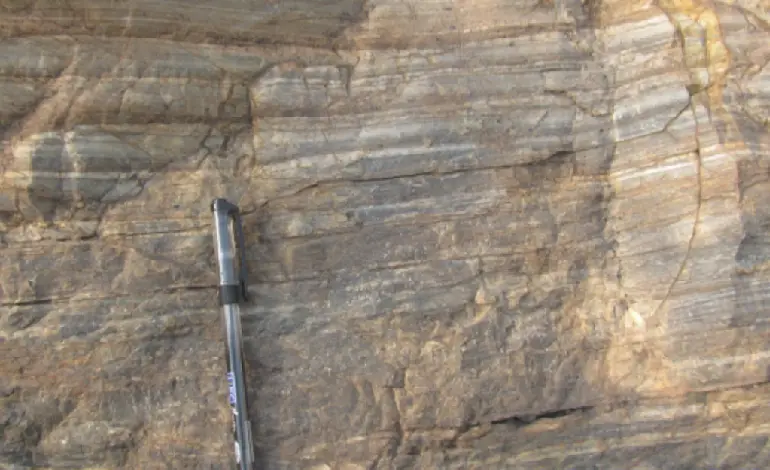
New Delhi: Researchers say they have found the oldest directly dated evidence of microbial life on Earth — in a single carbon-bearing rock from eastern India that is at least 3.5 billion years old.
The discovery, published Tuesday in the peer-reviewed Proceedings of the National Academy of Sciences, comes from the Bhitardari carbonaceous chert in the Singhbhum Craton. The craton is an ancient, stable block of continental crust spanning parts of Jharkhand and Odisha, and holds some of the oldest rocks in India, with crust dating back more than 4 billion years.
“To our knowledge, (this) is the oldest directly dated rock with a confirmed biosignature,” the authors said.Unlike typical fossil finds, the team did not rely on visible fossils alone. Instead they present “compelling evidence” from multiple converging chemical clues that point to microbial life existing in what is now eastern India 3.5 billion years ago.
The Singhbhum Craton has long interested geologists because it preserves some of Earth’s earliest continental crust. The new findings add to evidence that life may have emerged very early in Earth’s history, and that India’s ancient rocks could hold key records of it.
The study’s authors say the combination of chemical signatures in the Bhitardari chert provides the most direct dating yet of biosignatures from that era.