Scientists study ‘ghost particles’ for Nuclear Monitoring

New Delhi: Scientists are exploring whether antineutrinos — subatomic “ghost particles” produced in nuclear fission — can help monitor reactors and nuclear fuel remotely.
Because antineutrinos pass through matter, they could allow inspectors to check activity inside a reactor without entering highly radioactive areas. The International Atomic Energy Agency currently relies on cameras, seals and inspections to ensure spent fuel is not diverted. Spent fuel contains plutonium, which can be used in weapons.
Research over the past 15 years in the US, Europe and Japan has shown antineutrino detectors can confirm if a reactor is on or off and estimate fuel burnup. Experiments at sites like San Onofre and Daya Bay demonstrated the concept.
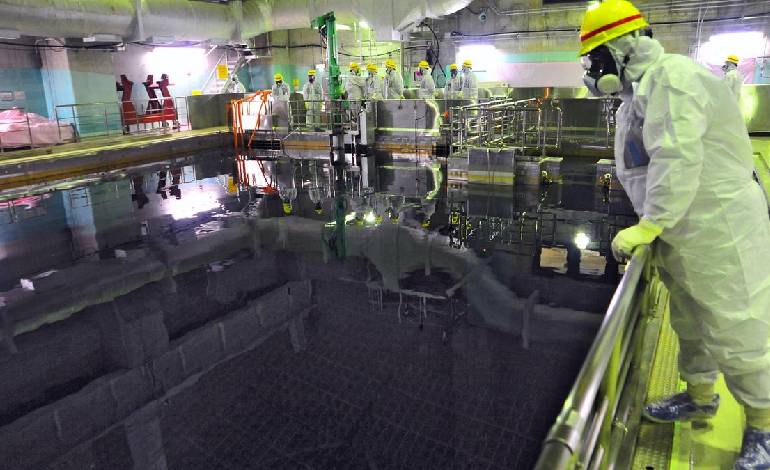
However, detectors are still large, costly, and must be placed close to reactors. Monitoring spent fuel pools is even harder due to a weak signal. The IAEA lists antineutrino detection as a research area, but it is not yet used in official safeguards.