Guru Purnima 2026: How Gen Z is redefining learning in Indian classical arts

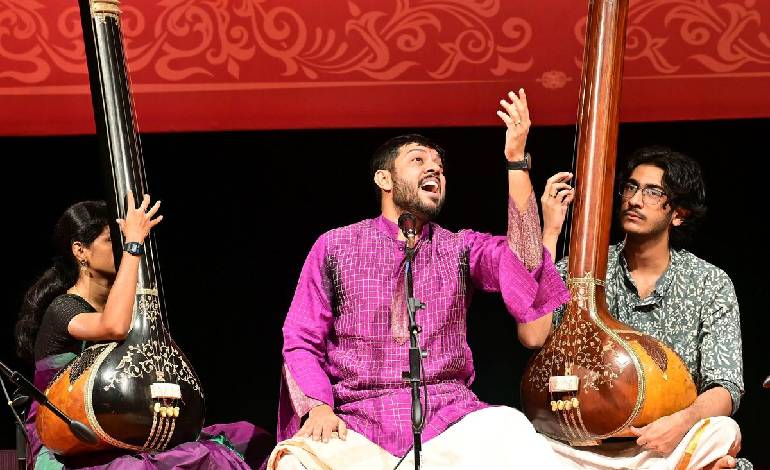
This Guru Purnima looked different. In the wake of a major student-led protest and a period of collective introspection, India’s classical arts community saw a clear generational shift — with young learners demanding to be heard and asserting their agency in the guru-sishya relationship.
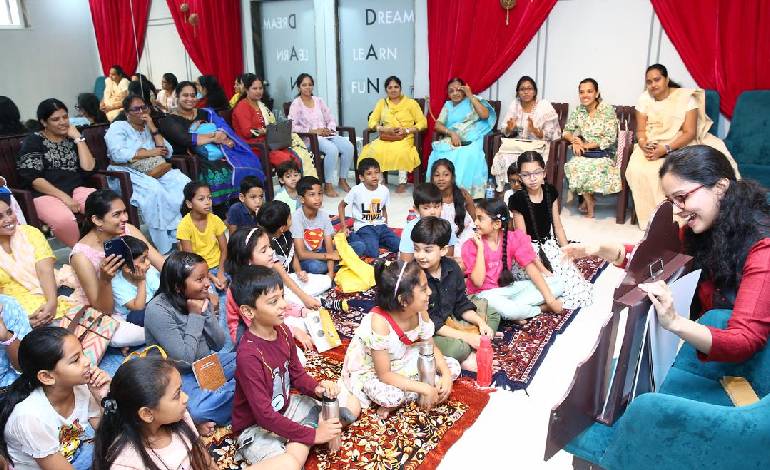
The traditional teacher-disciple model, once defined by hierarchy and unquestioning reverence, is becoming more interactive and open. Gen Z students are questioning, debating, and collaborating with their gurus, reshaping how dance and music are taught and learnt today.
“Open-minded gurus and questioning students are transforming the parampara,” teachers and performers noted this week. The change is visible across disciplines, from Bharatanatyam to Hindustani and Carnatic music.
Social media has accelerated the shift, helping build narratives around Gen Z’s approach to art, learning, and mentorship — much like it did during recent nationwide conversations about the generation.
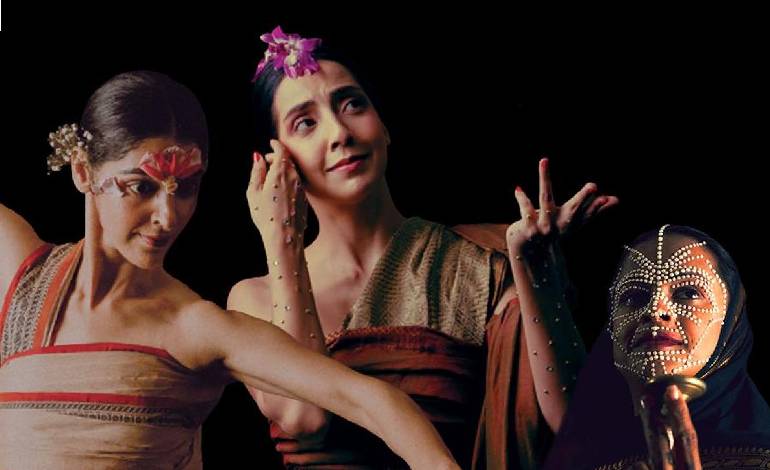
This year’s celebrations featured leading names including Natyacharyas Shantha and V.P. Dhananjayan, Aditi Mangaldas, Rithvik Raja and Meera Sreenarayanan, reflecting a community in dialogue with its next generation of artists.
For many gurus, the new dynamic isn’t about diluting tradition, but about making space for conversation. For students, it’s about respecting lineage while bringing their own voice to it.
As Guru Purnima 2026 showed, the future of Indian classical arts may lie in a partnership — where reverence meets questioning, and tradition meets new ways of learning.