Mugger crocodiles bounce back in Similipal after two-year dip

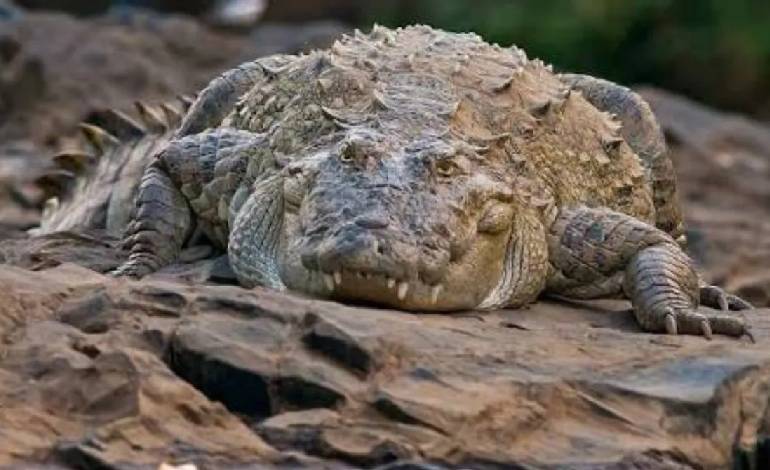
Odisha: Along the West Deo River in Similipal Tiger Reserve, forest teams scan the waterline during the annual census. Eyes break the surface. Further downstream, a mugger crocodile basks on a sandy bank. For conservationists, these sightings mean more than counting reptiles. They’re signs that the river system is holding steady.
The census was conducted from Jan 6 to 8 this year across 20 locations in eight major water bodies. More than 100 forest personnel in nearly 30 teams surveyed rivers, streams and wetlands. Their final count: 84 mugger crocodiles, up from 81 last year.
That rise reverses a two-year decline. Similipal recorded 86 crocodiles in 2023, then 82 in 2024 and 81 in 2025. The increase back to 84 breaks the downward trend. The number is small, but for a species that depends on clean water, prey and nesting grounds, three more crocodiles reflect the health of the entire ecosystem.
The West Deo River remains Similipal’s strongest habitat, accounting for 60 crocodiles. Of the total 84, 78 were found in South Similipal division, one in North Similipal division, and five at the Ramatirtha Mugger Crocodile Breeding Centre.
Mugger crocodiles, Crocodylus palustris, are listed as Vulnerable by IUCN. As apex predators, they regulate fish populations and remove weak prey. A river that supports crocodiles must also support fish, aquatic plants and nesting sites. That’s why conservationists call them indicators of ecosystem health. When their numbers rise, it suggests the river system beneath them is functioning well.
Forest officials attribute the increase largely to the Ramatirtha Breeding Centre. Hatchlings raised there are periodically released into the Deo, Khairi and Budhabalanga river systems. That gives young crocodiles a better chance during their most vulnerable years. Continuous habitat protection and monitoring also play a role. The annual census helps managers track where crocodiles occur and adapt conservation measures when needed.
The recovery hasn’t come overnight. It’s built on years of fieldwork and habitat management. Three crocodiles won’t change the species’ future alone. But in conservation, steady gains matter more than dramatic leaps. For a species that has survived millions of years, and for the rivers that sustain it, 84 crocodiles in Similipal is a promising sign.