‘Metallophyte’ plants clean up Europe’s old mining lands while reviving rare habitats

London: On hillsides across northern England where Romans once mined lead and zinc, a rare class of plants called “metallophytes” is helping reduce pollution while restoring biodiversity, researchers and county authorities report.
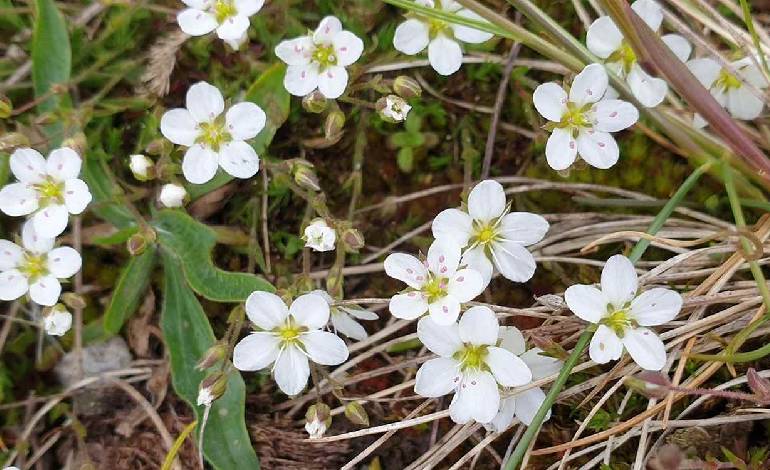
These calaminarian grasslands form where topsoil has eroded enough for plants to contact deposits of zinc, lead, or cadmium. The name comes from “calamine,” an old European term for zinc. Across the continent, the zinc violet, or Viola calaminaria, is the best known example. In the UK, mountain pansy, spring sandwort, and Alpine penny-cress dominate these soils. Hardy companions like sea thrift, bladder campion, and kidney vetch also take root in the metal-rich ground.
The habitat is scarce. Just 450 hectares, or about 1,100 acres, remain in the UK, mainly in Durham, the North Pennines, and Cumbria. Most mines in those areas closed more than a century ago. In the 19th century, miners often dammed and released rivers to strip soil and expose ore. The contaminated earth piled into “spoil heaps” that, over time, gained a thin layer of humus and became today’s calaminarian grasslands.
Unlike modern mining, which budgets for environmental review and land reclamation from the start, those historic sites were abandoned without cleanup. Now the plants are doing some of that work. Metallophytes absorb toxic heavy metals and lock them into complex organic molecules in their roots, rendering the metals nontoxic. The process saves remediation costs while anchoring food webs and supporting rare insects and birds.
English county authorities say the sites present a dilemma. Their existence depends on neurotoxic pollutants, yet the plants are passively treating the soil and enriching otherwise barren landscapes. Decisions on conservation and public access are ongoing as officials weigh ecological value against contamination risks.