Scientists map ‘ocean conveyor belt’ that sinks seaweed carbon to deep ocean

Plymouth: An international team of scientists has found new evidence of how coastal seaweed forests help lock away planet-warming carbon by ferrying it to the deep ocean.
Large seaweeds, or macroalgae, absorb vast amounts of atmospheric CO2. Earlier research estimated that 4 million to 44 million tonnes of macroalgae-derived carbon sink each year to depths of up to 200 metres, where it can remain for at least a century.
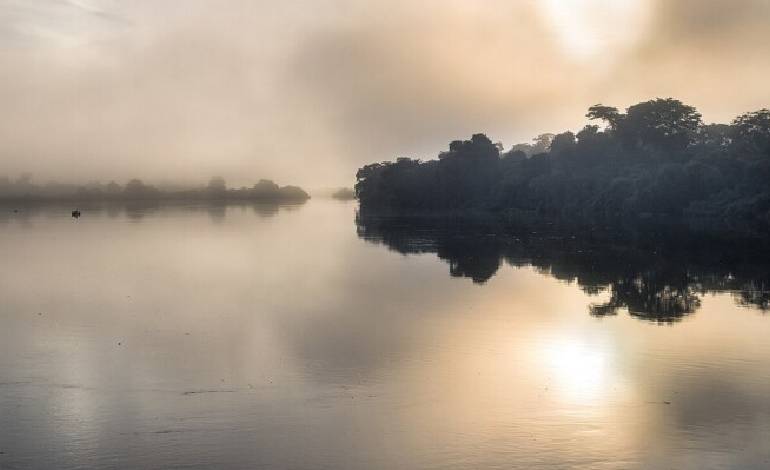
Now researchers from Germany, Portugal, Saudi Arabia, Denmark and the UK have tracked 8,000 seaweed rafts growing off southwest Greenland for the first time. Using satellite imagery, computer modeling and ocean current monitors, they found offshore currents can carry seaweed hundreds of kilometers from the coast.
As surface waters cool, the floating vegetation is pulled below the surface. It then breaks down and sinks, transporting carbon to the deep ocean.“Our findings illustrate a tangible oceanic conveyor belt that links thriving coastal macroalgal forests with the deep ocean’s carbon reservoir,” said Prof Ana Queirós, marine climate change ecologist and climate change lead at Plymouth Marine Laboratory.
Queirós added that recognizing these natural transport and mixing pathways improves understanding of macroalgae’s role in the Earth’s carbon cycle, which could inform future climate models and blue carbon strategies.