Seabird egg study shows PFAS fell 70% after global phase-outs

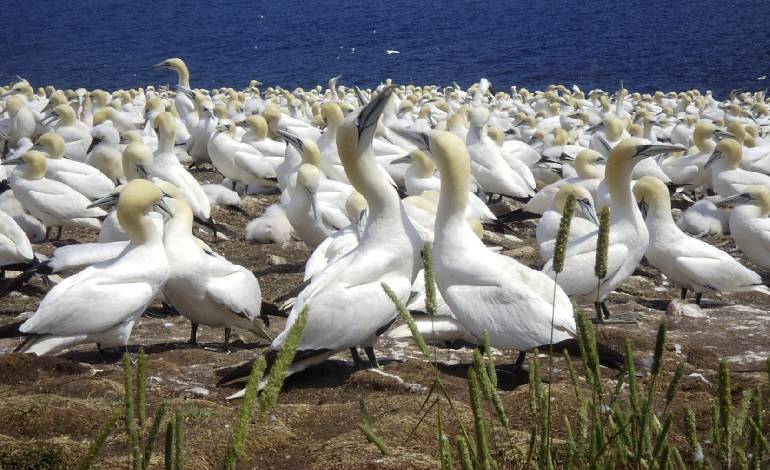
PFAS levels in northern gannet eggs have dropped up to 74% over 55 years, new research shows. The chemicals rose through the 1960s, peaked in the 1990s, then fell as regulators acted.
A study in Applied Toxicology found PFOS down 74%, PFOA down 40%, and PFHxS down 70% in eggs from Bonaventure Island. PFAS entered the birds through contaminated fish in the St. Lawrence Seaway.
Co-author Raphael Lavoie of Environment and Climate Change Canada said the decline shows “regulations are having a good effect.”
The Guardian reported that chemical firm M3 scaled back commercial PFAS production in the late 1990s amid scrutiny. In 2009, the UN’s Stockholm Convention moved to eliminate PFOA and PFHxS and restrict PFOS to firefighting foam. In 2015, the chemical sector agreed with the EPA to phase out PFOA and PFOS production.