Male monkeys and apes may bulk up to scare off rivals, study finds

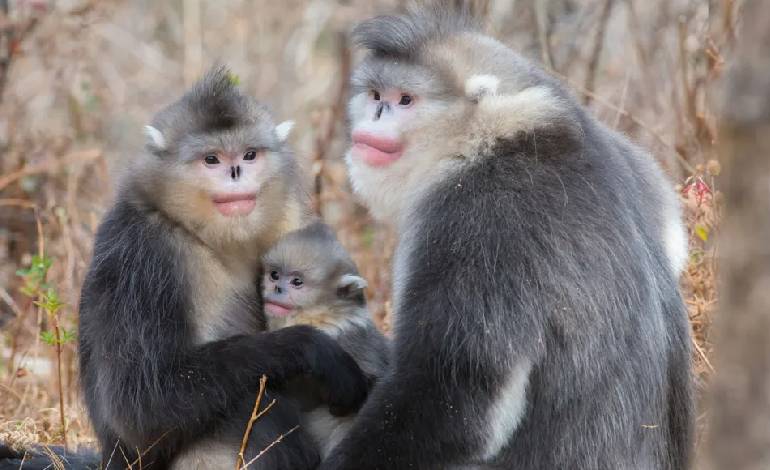
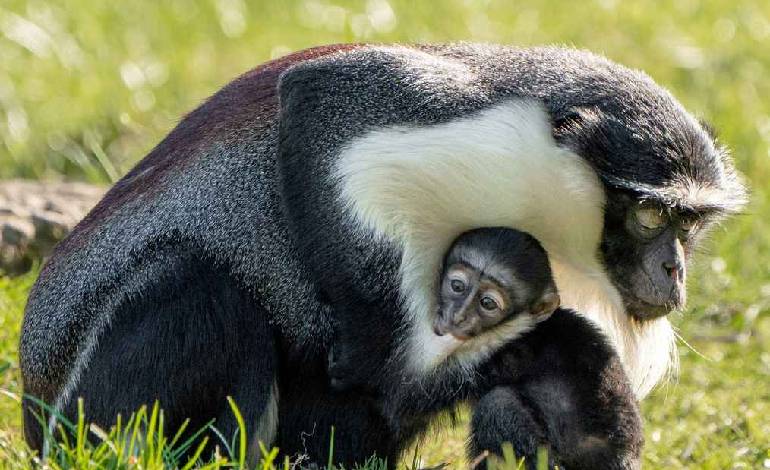
London: Male gorillas, baboons, and other primates may have grown larger over time not just to win fights within their own troop, but to warn off males from rival groups, new research suggests.
The study, published May 13 in Biology Letters, challenges the long-held idea that male primates are bigger mainly to compete for mates inside their social circle. Instead, it points to life on a crowded primate landscape, where neighboring groups often meet and clash over food and territory.
“Larger males may discourage escalation before fights even happen,” says Cyril Grueter, an evolutionary anthropologist at the University of Oxford who led the research.
Sexual size dimorphism is common across the primate order. Gibbons show almost no difference between sexes, while male gorillas and baboons can weigh twice as much as females. Traditionally, biologists linked that gap to battles among males in the same group for access to females.
Grueter’s team tested a different angle. They collected data on 146 primate species and compared male and female body mass against how much groups interacted. They looked at territory overlap, encounter frequency, and how aggressive those meetings were.
The pattern was clear: the more groups ran into each other and the more their home ranges overlapped, the bigger the males were compared to females. “Living in a crowded social landscape with lots of interaction between groups seems to be linked to bigger males,” Grueter says.
For a male monkey, size could be a billboard. It signals strength to outsiders and may prevent costly fights over fruit trees or mates. Grueter likens it to a chronic cold war where bulk alone keeps rivals at bay.
Interestingly, mating system, a common proxy for in-group competition, did not strongly predict the size gap. Grueter says multiple pressures likely shaped male bodies, but conflict between groups has been overlooked.