Conservationists clear 13,000 acres of invasive species to revive key South Africa habitats

Cape Town: Conservation teams have successfully removed invasive trees and fish from 13,000 acres of critical South African ecosystems, restoring habitat for endangered native species.
The work was carried out between 2017 and 2025 by groups under the International Union for the Conservation of Nature (IUCN). Their efforts combined habitat restoration, biological control, invasive-species management, and community-based conservation. A new IUCN report on the project found that broader, multi-pronged approaches produced the strongest results.
Invasive plants and animals cost Africa’s crop, fisheries, livestock, and eco-tourism industries about $65 billion each year, according to the report.
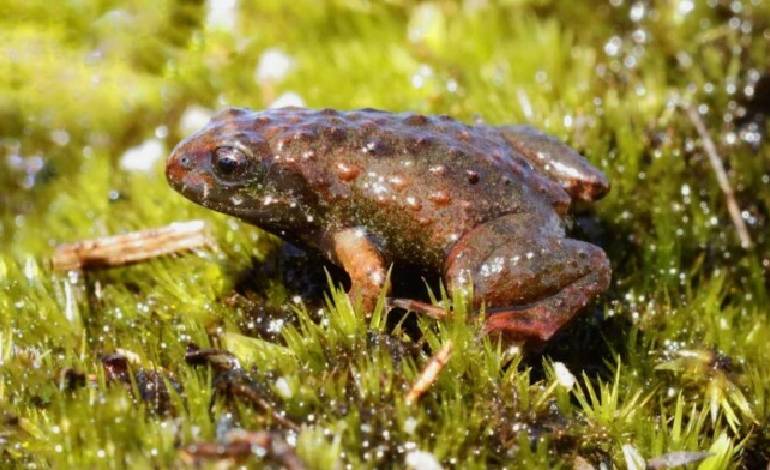
In the Western Cape, teams targeted invasive maritime pine on the Klein Swartberg Mountain. Using controlled burns and manual clearing, they restored more than 8,500 acres of habitat for the Critically-Endangered rough moss frog. The thirsty pines were draining wetlands the frogs depend on and increasing the risk of severe wildfires. After the burn, field surveys discovered six previously unknown subpopulations of the frog.
In Cape Town’s Tokai Park, conservationists manually cleared invasive Eucalyptus and Acacia trees to re-establish native fynbos vegetation. The work supports the western leopard toad and protects the Cape Flats Sand Fynbos ecosystem, a unique and highly biodiverse vegetation type found only in the Cape Floral Region. The project also gave young conservationists hands-on training in ecological restoration.
The IUCN said the projects show how removing invasive species can cut wildfire risk, restore water systems, and safeguard biodiversity across South Africa’s most threatened habitats.