Forest officials in Belagavi restore British-era structures while preserving nature’s balance

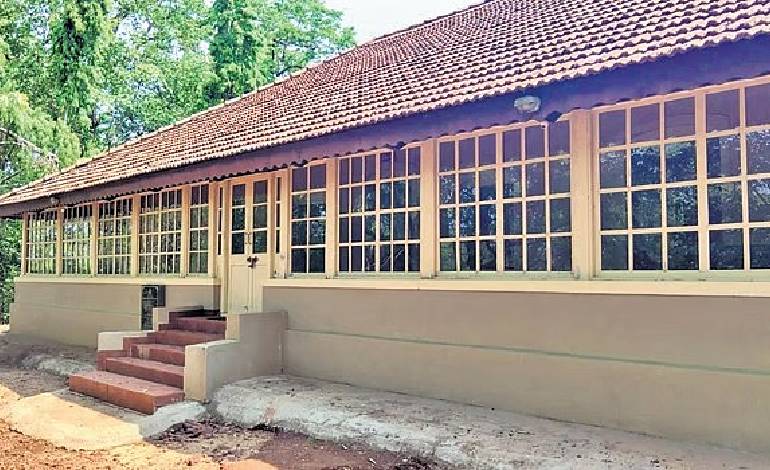
Belagavi: A team of forest officials in Belagavi’s Nagargali forest has begun restoring British-era structures, ensuring the century-old buildings retain their original charm while keeping the surrounding ecosystem intact.
Nestled in Belagavi district, Nagargali is a blend of dense forest, rich biodiversity, and historical legacy. Far from urban bustle, the region serves as a sanctuary for both nature and heritage — from flourishing flora and fauna to bridges, temples, and forest offices dating back to colonial times.
Central to the effort is the forest guesthouse built by the British in 1914. The structure, along with the old timber depot, roads, and Lakadi Pool Bridge, stands as a marker of the region’s past. When the guesthouse was constructed, officials note, the forest was far less dense than it is today — a sign that conservation efforts have paid off.
What sustains Nagargali is not just its natural wealth but the dedication of forest department staff and support from local residents. “In the Nagargali forest range, the responsibility of foresters goes far beyond their official duty,” officials say. They work under challenging conditions, driven by an emotional bond with the forest they protect.
The region is ecologically sensitive and vibrant, home to sloth bears, wild dogs, elephants, tigers, and other wildlife. Restoring heritage structures here means balancing preservation with biodiversity protection — repairing colonial buildings without disturbing the dense forest that now surrounds them.