Portuguese island switches off lights to guide fledgling seabirds to sea

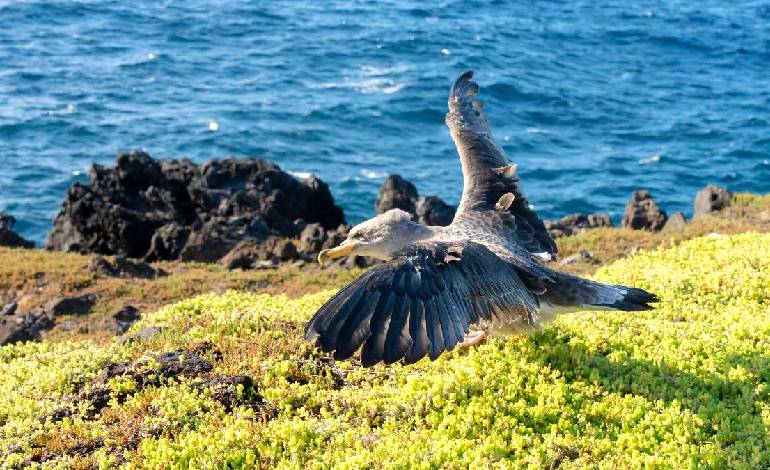
The Portuguese island of Corvo switched off its lights this week — not to save energy, but to help fledgling seabirds navigate by the stars.
The Azores archipelago in the Atlantic is home to the world’s largest population of Cory’s shearwaters. Corvo, the smallest island in the group, is shared by just 450 people and around 6,000 nesting pairs.
Young birds leave their nests over four weeks from mid-October, relying on the stars to guide them towards the ocean, but light pollution interferes with their in-built navigation, luring fledglings inland where they crash.
While not endangered, around 75% of the world’s breeding population nests in the Azores. The seabirds can live up to 40 years but raise just a single chick a year — so every fledgling lost counts.
Since 1995, the Azores Government’s SOS Cagarro campaign and SPEA, the Portuguese Society for the Study of Birds, have mobilised nightly rescue brigades across the archipelago to save stranded birds. Since 2019, communities have been turning off lights after dark to help the birds find their way.
This year, islanders were joined by Corvo Municipal Council, which pledged to black out the island’s streets and public buildings for almost three weeks beginning October 21 — a measure SPEA says has proved effective in reducing birds grounded or killed in collisions.
“There are many ways to save a Cory’s shearwater, and each person can help in their own way,” said SPEA-Azores marine conservation technician Beatriz Martins. “From turning off exterior lights, carrying a box, gloves and a towel in the car in case you find a bird, to alerting the authorities if you don’t feel comfortable handling it, or even participating in the brigades.”