Pomegranate compound found to improve heart function by up to 80% in early study

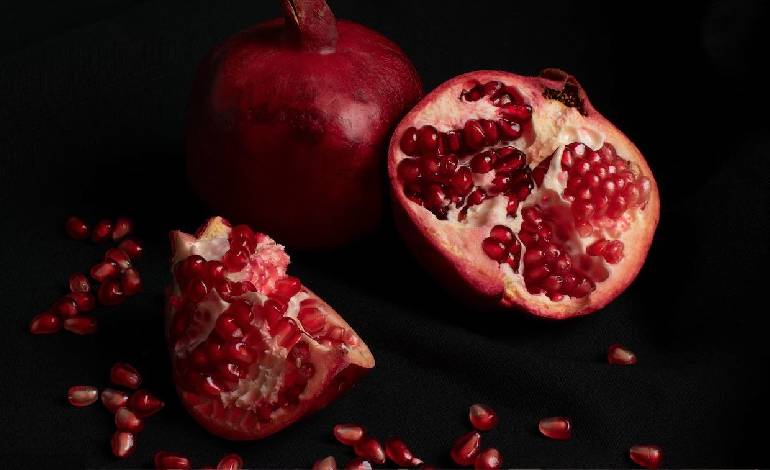
London: A compound produced in the body after eating pomegranates, walnuts and some berries has been found to improve heart function by up to 80% in lab models, offering new hope for a common type of heart failure that has limited treatment options.
Scientists at King’s College London discovered that urolithin A – a natural compound generated in the gut after consuming these foods – improves the heart’s ability to relax, reduces scarring and prevents harmful enlargement.
The finding targets heart failure with preserved ejection fraction, or HFpEF, which accounts for around half of all heart failure cases. In this condition, the heart retains its ability to pump blood but becomes stiff and less able to relax between beats, making it harder to fill with blood. It leads to breathlessness, fatigue, reduced ability to exercise and poor quality of life.
HFpEF is hard to treat because it is driven by multiple factors like aging, high blood pressure and diabetes. Clinicians currently focus on managing underlying conditions and advising lifestyle changes such as weight loss and controlling blood sugar.
In a research first, the team found that urolithin A activates a protein called PKG1α, which plays a key role in blood vessel function and heart muscle relaxation. The compound targets a specific amino acid on the protein, triggering a pathway that results in cardiovascular benefits.
In animal models, treatments with urolithin A led to improved measures of heart function by up to 80% compared to untreated models. Lab experiments showed it increased the heart tissue’s ability to relax, reduced fibrosis or harmful scarring, and reduced enlargement of heart muscle cells, helping preserve normal cell function.
The researchers also tested the compound in engineered human heart tissue created from human stem cells – a cutting-edge model that closely mimics human heart muscle structure and function. Urolithin A significantly improved tissue relaxation in these cells, suggesting the findings could translate to humans.
Unlike many experimental compounds, urolithin A has already been evaluated in human studies and has shown a favorable safety profile.”This raises the exciting possibility of developing new treatments that improve clinical outcomes and quality of life for people living with the condition,” said Dr Joseph Burgoyne, senior author of the study at King’s College London.
He cautioned that while there isn’t enough evidence yet to suggest people should eat pomegranates to treat heart failure, the findings raise the possibility that dietary approaches that enhance urolithin A production may help alleviate the condition.