Villagers in Borneo paid to photograph orangutans instead of hunting them

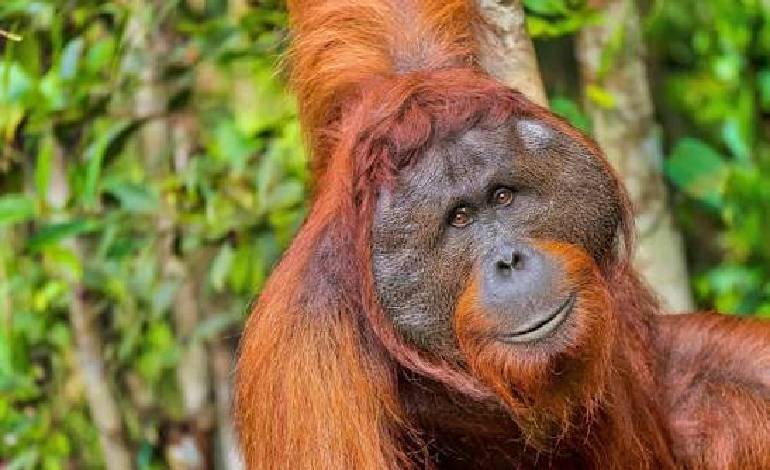
Indonesia: On the island of Borneo, conservation is paying off — literally. Across nine villages in Indonesia’s West Kalimantan province, more than 800 local people are now earning supplemental income by doing something simple: taking pictures and audio recordings of wildlife.
The program is called KehatiKu, run by the international conservation consultancy Borneo Futures and funded through 2028.
Before, locals would often hunt birds with colorful plumage or kill deer and wild boar that raided their crops. Now, a photo is worth more than a trap.“People have started to realize that where previously they caught one bird and it was worth 50,000 rupiah, now they just need to take a photo, send it to us, and they can receive a payment of 5,000 to 10,000 rupiah,” said Nardiyono, Borneo Futures Indonesia director, to AFP.
A villager can earn as much as $200 a month — and far more for a rare species. The top prize: a Bornean orangutan.
That was what sent 72-year-old farmer Imelda from the village of Labian into the woods daily with her friends.“We really, really want to protect them,” she said.
The results have been extraordinary. The initiative has generated 378,000 confirmed observations, including Critically Endangered flagship species like the Bornean orangutan (Pongo pygmaeus), Abbott’s gibbon (Hylobates abbotti), and the flat-headed cat — one of the least-known cats in the world.
For 50-year-old Octavius, a farmer of kratom and cacao, the money is helping put his children through college.
The program, which has received $300,000 in philanthropic funding so far, developed a mobile app where villagers upload their sightings, paired with an AI tool to help staff identify species. Villagers are paid at the end of every month.
“The program is very popular and has resulted in spontaneous wildlife protection,” wrote Erik Meijaard, Managing Director of Borneo Futures, in a presentation for the IUCN. “We have evidence that now forests and wildlife is valued more for conservation than exploitation.”
The data is also a scientific goldmine. Between the hundreds of thousands of observations, scientists have been able to estimate population densities, track animal ranges, and gain new insights into diurnal behavior.